Prognostic Tool Guides Personalized Treatment in Rare Blood Cancer
Posted on 11 Apr 2026
Chronic myelomonocytic leukemia (CMML) is a rare blood cancer in which acquired genetic mutations in bone marrow stem cells drive disease. Stem cell transplantation is the only curative option but carries substantial risks and is unsuitable for many patients. Clinicians often lack robust tools to identify who will benefit and when to proceed. Researchers now describe a data-driven approach that individualizes transplant decisions for CMML.
At Yale School of Medicine (New Haven, CT, USA), investigators developed the international CMML Prognostic Scoring System (iCPSS), a machine learning–based tool that integrates routinely collected clinical and genomic data. The system assigns patients to five risk categories based on predicted survival and is paired with a decision support platform that models expected outcomes under different transplantation strategies. Together, these components are designed to help clinicians determine whether transplantation is likely to be beneficial and to identify the optimal timing.
The research team analyzed clinical and genetic information from an international cohort of more than 3,000 CMML patients who had already received care, primarily in North America and Europe. Using iCPSS changed the recommended transplantation strategy in nearly one in three patients, which was associated with a significant gain in life expectancy. Patients who underwent transplantation within the iCPSS-recommended time frame had a significantly higher chance of survival, and the model was validated in a separate, prospectively enrolled international cohort of about 500 patients.
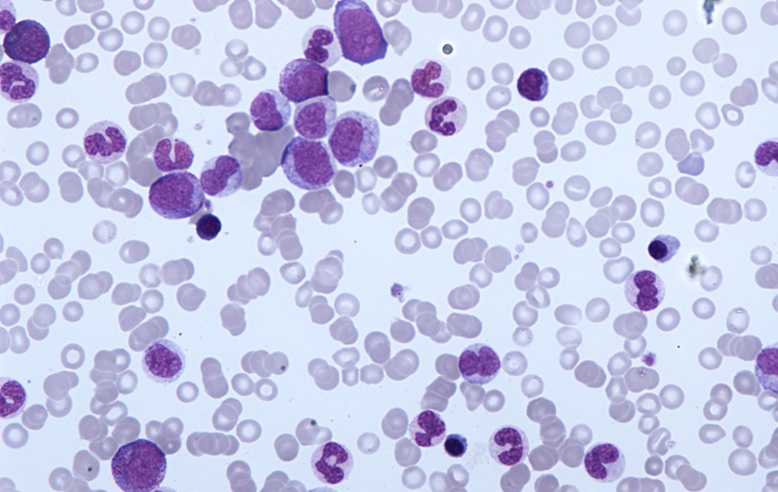
CMML can present as a myelodysplastic subtype with low white blood cell counts or a myeloproliferative subtype with elevated counts, and the presentation may evolve over time. The study found that genetic mutations help drive these phenotypic differences and can be leveraged alongside clinical features to refine risk stratification. Findings were published in the Journal of Clinical Oncology on March 27, 2026.
iCPSS offers oncologists an evidence-based framework to personalize CMML treatment planning. The researchers note that understanding genetically defined patient subsets may also inform future investigations into targeted therapeutic approaches for this population.
“We tried to stratify patients to help us decide which subsets of patients we should try to more aggressively treat. And what other subsets we can be slower in treating—reserving aggressive treatment for later when the disease is worse,” said Luca Lanino, MD, postdoctoral associate at Yale School of Medicine. “Our tool can help physicians decide when is the best time to discuss transplantation with their patients,”
Related Links
Yale School of Medicine