Blood-Based Score May Support Targeted Interventions for Healthier Aging
Posted on 03 Nov 2026
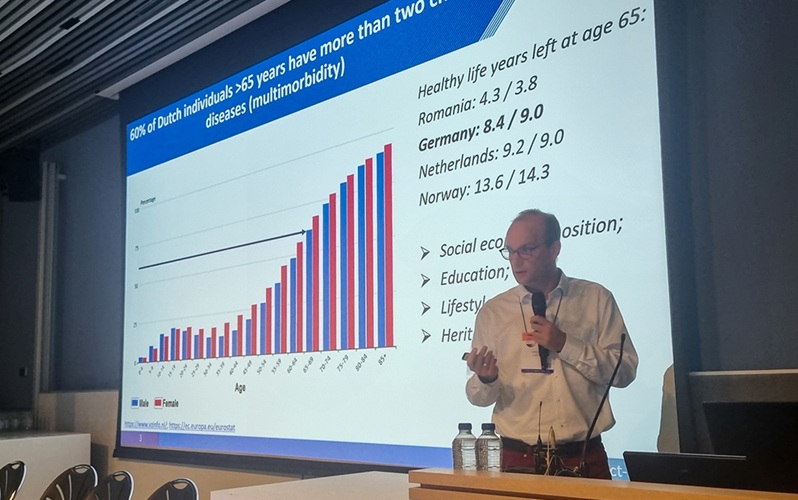
Chronic diseases frequently accumulate with age, complicating efforts to maintain functional independence in older adults. Studies cited by the investigators indicate that about 60% of people over age 65 live with two or more chronic conditions at the same time. Because biological aging cannot be measured directly, blood-based indicators may help distinguish healthier aging trajectories from higher-risk patterns.
At FAPESP Week Netherlands, a personalized metabolic score for assessing health in middle age was presented by Joris Deelen of Leiden University Medical Center (LUMC). The tool analyzes ten blood markers already familiar in clinical evaluation and generates a patient-specific result. It was developed from earlier analyses of more than 200 blood substances, including fat and sugar levels and markers of inflammation.
The underlying work involved blood samples from 44,000 volunteers followed for several years across 12 European studies. During follow-up, 5,500 deaths were recorded, enabling investigators to identify substances associated with increased mortality risk. The score was later optimized through collaboration with Brazil, including work connected to the Albert Einstein Israelite Faculty, and refined by adjusting its mathematical calculation with Dutch population data, simplifying the marker panel, and reversing the scoring direction so that a higher number indicates better health.
The updated version was described as more effective in predicting cardiometabolic diseases, including diabetes, heart attack, and stroke. According to the source, a one-point increase on the scale corresponded to an average delay of 14 years in the onset of a first cardiometabolic disease. The score also correlated with healthy aging parameters such as cognitive function, lung capacity, and handgrip strength.
Lifestyle and strength training interventions produced significant improvements among individuals whose initial score was below average. In this higher-risk group, interventions reduced fasting insulin and triglyceride levels and improved body composition. The analyses indicated that the metabolic score is determined 40% by heredity and 60% by lifestyle and environmental factors, with smoking having the greatest negative effect and regular physical activity improving the score.
Complementary work led by Professor Tiago da Silva Alexandre at the Federal University of São Carlos (UFSCar) links musculoskeletal aging and dementia through molecular communication among muscle, bone, fat, and the brain. This communication occurs partly through myokines, signaling substances released by muscle tissue during movement that help regulate metabolic processes and protect tissue function.
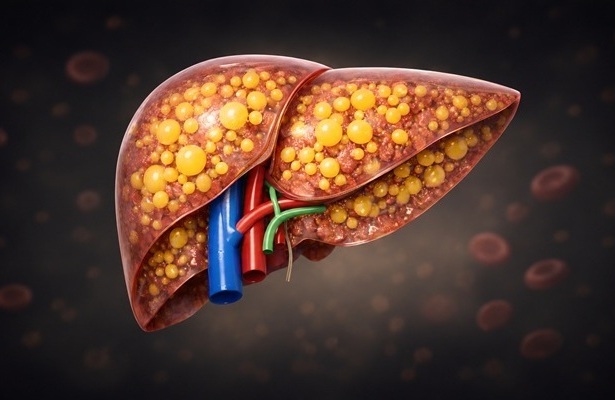
With aging, increased fat infiltration within muscle fibers can disrupt this communication, impairing muscle contraction and metabolism while potentially contributing to cognitive decline. Changes in fat and carbohydrate metabolism associated with muscle fat accumulation may also increase the risk of metabolic syndrome, reduced mobility, and dementia.
The researchers also identified a relationship between abdominal fat accumulation, vitamin D deficiency, and cognitive impairment. Excess visceral fat can reduce circulating vitamin D levels, affecting both muscle and brain function. Because vitamin D supports muscle protein synthesis, strength, and brain health, deficiency may accelerate physical decline and increase the risk of cognitive impairment in older adults. These findings suggest that metabolic disturbances associated with excess body fat may contribute to both musculoskeletal deterioration and cognitive decline.
To translate these findings into clinical practice, the Science Center for the Development of Intelligent Methods in the SUS for the Treatment of People with Dementia (CCD-MIDEM) was recently established at UFSCar with support from FAPESP. The initiative aims to improve dementia care within Brazil's Unified Health System (SUS), the country's national public healthcare network, by using artificial intelligence tools and biomarkers to integrate electronic health records and imaging data into specialized care for older adults.
“When we analyzed the change in the group’s score, we didn’t see a significant change; however, when we divided the individuals by their initial score, we saw that the lifestyle intervention was specifically effective for those with a score below zero – that is, the people who were less healthy at the beginning. That indicates that the score is an excellent indicator for identifying who really needs intervention and for monitoring the health gains provided by exercise,” said Joris Deelen of Leiden University Medical Center.
“Public services face enormous difficulty in making early and differential diagnoses of types of dementia, such as vascular dementia and Alzheimer’s disease. With artificial intelligence, we aim to create predictive models capable of indicating the probability of dementia during the first consultations and defining the most appropriate multidisciplinary intervention for each stage of the disease,” added Tiago da Silva Alexandre, professor at the Federal University of São Carlos.
Related Links
Leiden University Medical Center
Federal University of São Carlos
FAPESP