Optical Imaging System Helps Predict Chemotherapy Response in Cancer
Posted on 16 Oct 2026
Selecting chemotherapy can be difficult because tumors from different patients may respond differently to the same drug. Testing treatment effects directly on living tumor tissue could help clinicians make earlier, more individualized choices while also supporting evaluation of experimental therapies. Building on this approach, researchers have developed an imaging system that measures how tumor tissue responds to chemotherapy.
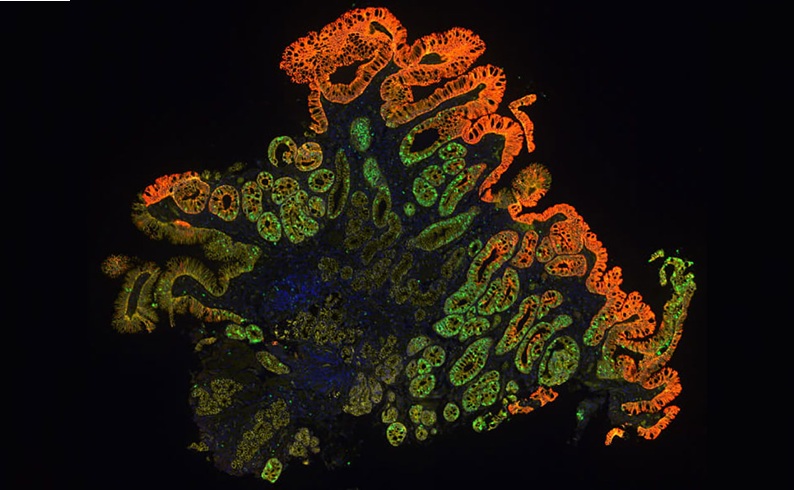
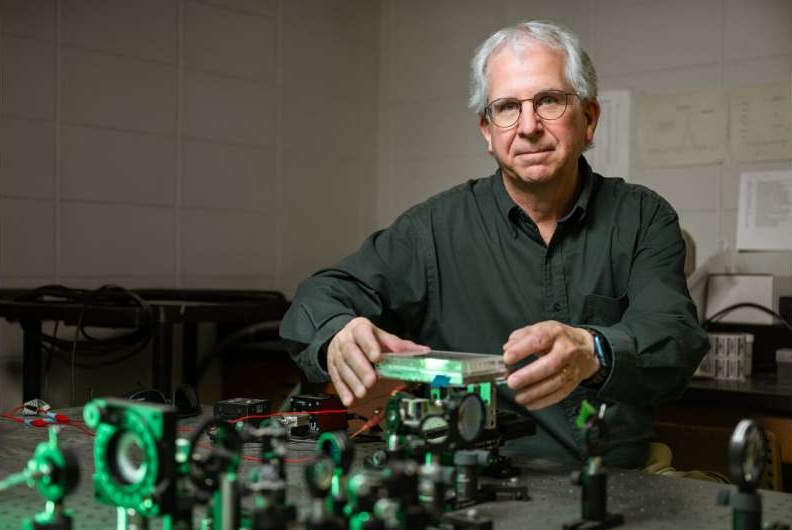
Purdue University’s (West Lafayette, IN, USA) "biodynamic imaging" system uses laser light and the Doppler effect to detect movement inside living cells. When laser light reflects from moving tissue, changes in the light reveal motion that conventional imaging cannot detect. The system measures movement at the nanometer scale, and artificial intelligence algorithms trained on images with known outcomes are used to interpret the resulting patterns.
A prototype installed at Indiana University School of Medicine is being used to assess experimental chemotherapy drugs in tumor cells derived from more than 30 patients with osteosarcoma, a bone cancer. The patient-derived models allow the team to test drugs and drug combinations across multiple cell lines. They also preserve key genetic drivers of the patients’ cancers, providing a reference for future work with new patients.
Earlier validation included a retrospective clinical trial involving patients with muscle-invasive bladder cancer receiving chemotherapy before surgery. A study published in 2023 accurately predicted whether patients at four bladder cancer centers would benefit from that treatment, although no numerical accuracy measure was reported. The system was also used in a Phase II clinical trial at Indiana University School of Medicine to predict chemotherapy resistance in human esophageal carcinoma and in a preclinical study of canine B-cell lymphoma at Purdue.
The researchers estimate that the laser approach is roughly one million times more sensitive to movement than the best light microscope. Other projects are examining its use in assessing the viability of in vitro fertilized livestock embryos and detecting bacterial and viral infections. A proposed prospective trial would test whether the system can distinguish which of two breast cancer regimens, Adriamycin/Cytoxan or Taxotere/Cytoxan, is more effective for an individual patient.
“All living systems are basically little machines, and cancer drugs affect how those machines run. This means that some things move faster in some parts and slow down in others, and we can see those changes. We can use motion as a form of image contrast in light imaging. My optical technique is general and has opened all kinds of applications,” said David Nolte, the Edward M. Purcell Distinguished Professor of Physics and Astronomy at Purdue University.
Related Links
Purdue University
Indiana University School of Medicine





.jpg)