Unique Immune Signatures Distinguish Rare Autoimmune Condition from Multiple Sclerosis
Posted on 25 Nov 2025
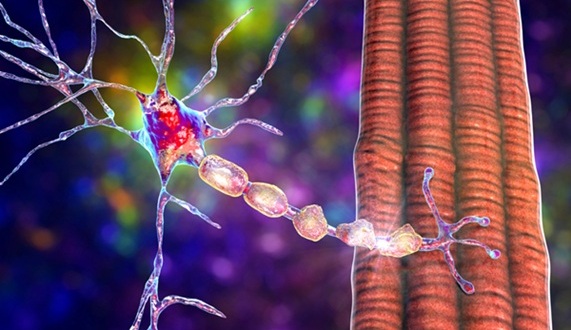
Myelin oligodendrocyte glycoprotein antibody–associated disease (MOGAD) is a rare autoimmune disorder in which the immune system attacks the myelin sheath in the central nervous system. Although symptoms can resemble multiple sclerosis (MS), including inflammation of the optic nerve and spinal cord, the underlying biology appears fundamentally different. These differences may explain why standard MS treatments often fail to show benefit in MOGAD. A new international study now reveals key immune distinctions that could guide more precise therapies.
In the study led by the University of Zurich (Zurich, Switzerland), an international team of researchers performed extensive immune-cell profiling to characterize MOGAD, comparing patients with individuals diagnosed with MS and with healthy controls. Using deep immunophenotyping techniques, the investigators analyzed natural killer cells, T cells, B cells, and other immune subsets to capture a detailed picture of disease biology. Their objective was to uncover immune mechanisms that distinguish MOGAD from other neuroinflammatory disorders, given that conventional MS therapies frequently show limited effectiveness in this condition.
The study revealed pronounced differences across multiple immune-cell populations. Distinct patterns involving NK cells, T cells, and B cells emerged consistently in MOGAD patients when compared to MS and healthy individuals. These results, published in Science Translational Medicine, demonstrate that MOGAD carries a unique immunological signature that clearly separates it from MS. The dataset provides one of the most comprehensive immune maps for this rare condition to date.
These findings strengthen the view that MOGAD is a standalone disease entity rather than a variant of MS. By identifying which immune pathways behave differently, the research offers critical clues for designing targeted, disease-specific therapies. Importantly, the immune-cell signatures generated in this work create a scientific foundation for more personalized approaches in neuroinflammatory disease management. Before reaching clinical practice, the mechanistic hypotheses derived from these profiles must undergo rigorous testing in future clinical studies.
“These findings support MOGAD as its own disease entity, distinct from other neuroinflammatory conditions such as MS,” said researcher Prof. Anne-Katrin Pröbstel. “Importantly, this work lays the foundation for hypothesis-driven research aimed at understanding MOGAD’s unique immunopathology and developing targeted therapies.”