Accurate Pathological Analysis Improves Treatment Outcomes for Adult Fibrosarcoma
Posted on 12 Sep 2025
Adult fibrosarcoma is a rare and highly aggressive malignancy that develops in connective tissue and often affects the limbs, trunk, or head and neck region. Diagnosis is complex because tumors can mimic other soft tissue cancers, and the disease frequently shows resistance to chemotherapy. A new case study has highlighted the importance of early and precise diagnosis using immunohistochemistry, combined with complete surgical removal and targeted postoperative care, in improving survival for affected patients.
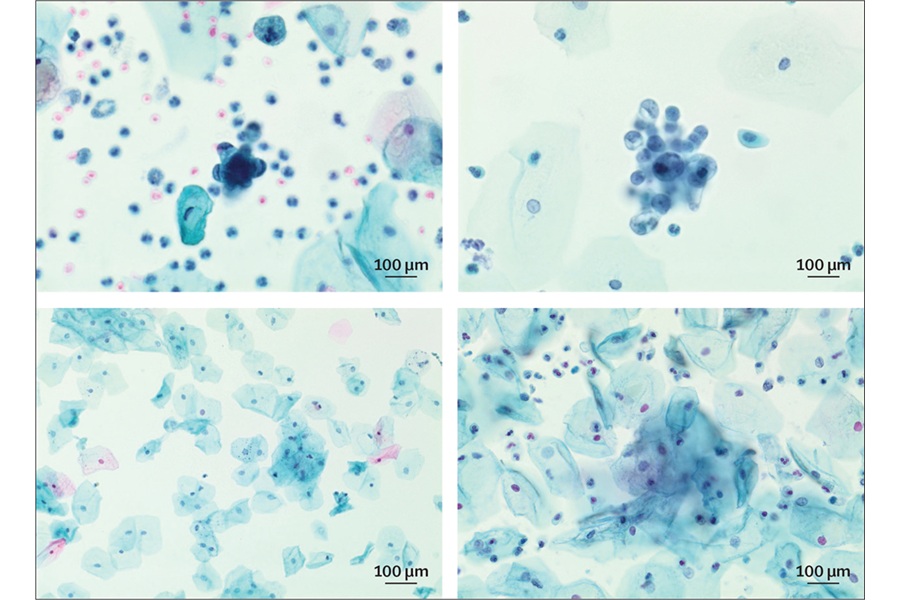
Researchers from the All India Institute of Medical Sciences (AIIMS, New Delhi, India) and the Alluri Sitaramaraju Academy of Medical Sciences (Andhra Pradesh, India) have described the case involving a 30-year-old woman with a gradually enlarging swelling in her upper right thigh. Imaging revealed a well-defined lesion, and biopsy suggested a spindle cell neoplasm. Following surgical excision, the mass was diagnosed as Grade 2 adult fibrosarcoma, and the patient received external beam radiation therapy to reduce the risk of recurrence.
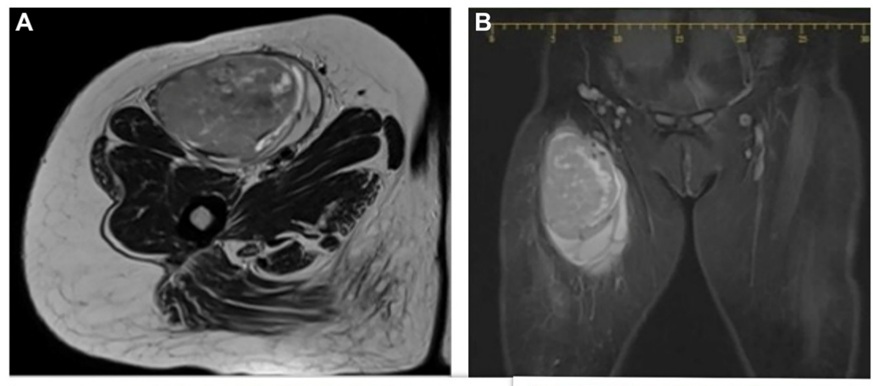
The research, published in the journal Oncoscience, showed that advanced imaging tools such as MRI and PET-CT, combined with immunohistochemistry, were critical to confirming the diagnosis and distinguishing fibrosarcoma from other tumors. The cancer’s aggressive nature was underscored by its tendency to recur, reinforcing the need for accurate pathology and multimodal treatment approaches.
In addition to clinical management, the research emphasizes how molecular research has identified genetic alterations like NTRK3 fusions and chromosome 12q amplifications, which may help select patients for targeted therapies. These findings also reveal how fibrosarcoma disrupts immune and hormonal systems, creating a tumor-supportive environment. Future treatment strategies may therefore combine surgery, radiotherapy, and targeted therapies to improve long-term outcomes.
“Chemotherapy and immunotherapy play complementary roles in disease management, with emerging strategies targeting matrix metalloproteinases and tumor microenvironment interactions to enhance chemosensitivity and overcome drug resistance,” stated the authors.
Related Links:
AIIMS
Alluri Sitaramaraju Academy of Medical Sciences