Clinicopathologic Study Supports Exclusion of Cervical Serous Carcinoma from WHO Classification
Posted on 10 Sep 2025
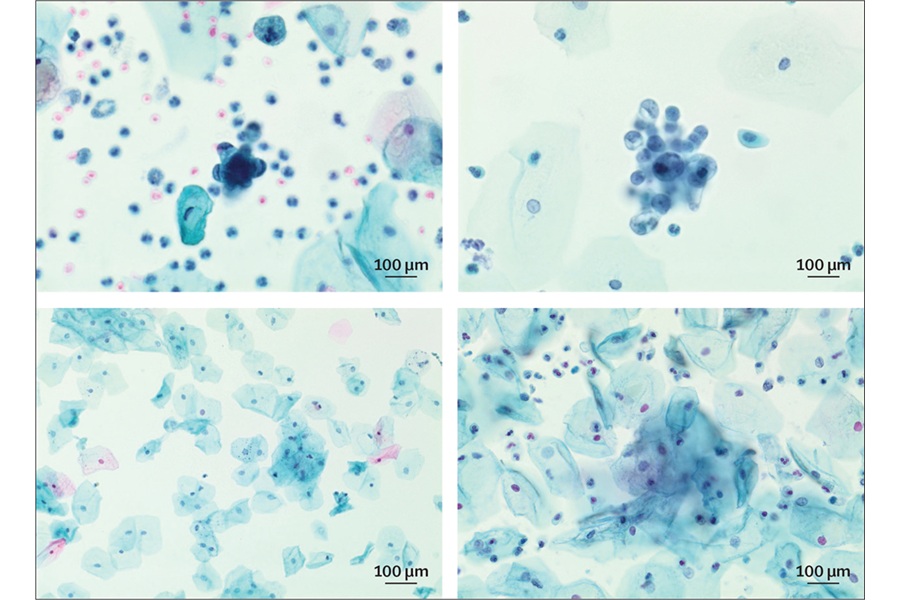
High-grade serous carcinoma is a rare diagnosis in cervical biopsies and can be difficult to distinguish from other tumor types. Cervical serous carcinoma is no longer recognized as a primary cervical tumor in the World Health Organization (WHO) classification, yet misclassification may still occur. A new clinicopathologic study shows that most of these tumors originate from the upper genital tract, supporting the exclusion of primary cervical serous carcinoma.
Researchers from Yale School of Medicine (New Haven, CT, USA) and University of Louisville (Louisville, KY, USA) analyzed cases from 2013 to 2023 that were originally diagnosed as “serous carcinoma” or “high-grade serous carcinoma” in cervical or endocervical biopsies. Clinical records, radiologic findings, and follow-up information were reviewed, while histologic and immunohistochemical profiles were reassessed. Targeted next-generation sequencing was also performed on a subset of cases to determine molecular features.
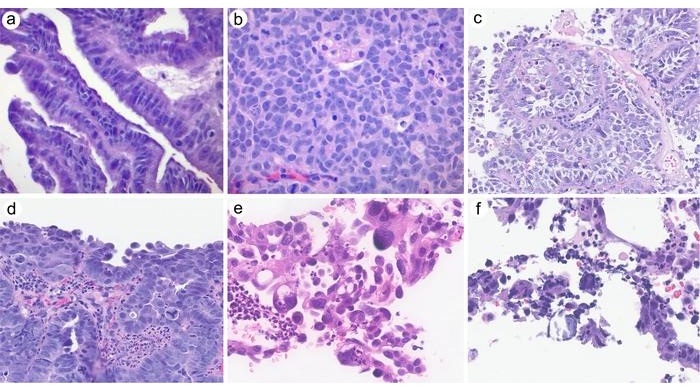
The study included 59 cases, with 96% of tumors shown to originate from the endometrium or tubo-ovarian region. Only one case was confirmed as a true primary cervical carcinoma. All tumors demonstrated aberrant p53 expression and diffuse p16 positivity, while WT-1 expression and hormone receptor status varied depending on origin. Molecular analysis confirmed p53 mutations typical of uterine serous carcinoma.
These findings, published in the Journal of Clinical and Translational Pathology, demonstrate that high-grade serous carcinoma identified in cervical biopsies is overwhelmingly secondary to tumors from the upper genital tract. Morphologic overlap with HPV-associated adenocarcinoma highlights the importance of precise histologic and molecular characterization. The study supports the WHO’s decision to exclude primary cervical serous carcinoma and emphasizes accurate diagnosis to ensure appropriate patient management and treatment planning.