Prognostic Protein Biomarker Found for Esophageal Adenocarcinoma
By LabMedica International staff writers
Posted on 31 Aug 2016
Podocalyxin-like protein (PODXL) is a cell surface transmembrane glycoprotein, the expression of which has been associated with poor prognosis in a range of malignancies including glioblastoma multiforme, breast cancer, bladder cancer, periampullary and pancreatic adenocarcinoma and colorectal cancer.Posted on 31 Aug 2016
Esophageal and gastric cancers are among the most common types of cancer worldwide in terms of incidence and mortality. The majority of esophageal cancers were squamous cell carcinomas, but in the last four decades there has been a drastic increase in the incidence of adenocarcinoma, especially in many Western countries.
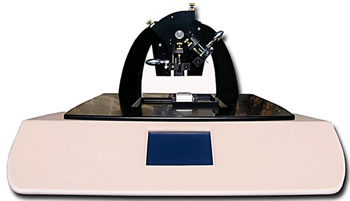
Image: The TMArrayer, a semi-automated tissue array device (Photo courtesy of Pathology Devices).
Scientists associated with Skåne University Hospital (Lund, Sweden), studied a cohort consisting of a consecutive series of 174 patients with esophageal (including the gastroesophageal junction) or gastric adenocarcinoma, surgically treated between 2006 and 2010 and not subjected to neoadjuvant treatment. Immunohistochemical expression of PODXL was assessed in tissue microarrays with cores from primary tumors, lymph node metastases, intestinal metaplasia and adjacent normal epithelium. Survival analyses were performed on patients with no distant metastases and no macroscopic residual tumor.
Tissue microarrays (TMAs) were constructed using a TMArrayer semi-automated arraying device (Pathology Devices, Westminster, MD, USA). From all 174 primary tumors, duplicate cores of 1 mm from separate donor blocks were obtained. In 81 cases lymph node metastases were sampled in duplicate cores, each from a separate metastasis if more than one. Single core samples from 96 adjacent normal esophageal squamous epithelium cases and 131 normal gastric columnar epithelium cases were also retrieved. For immunohistochemical analysis of PODXL expression, 4 μm TMA-sections were automatically pre-treated using the PT Link system, and then stained in an Autostainer Plus (DAKO, Glostrup, Copenhagen, Denmark).
The team found that in the majority of cases, expression of PODXL was significantly higher in cancer cells compared to normal epithelial cells and was significantly associated with lymph node metastases and high grade tumors. In esophageal adenocarcinoma, statistical analyses revealed that patients with PODXL negative tumors had a superior time to recurrence (TTR) and overall survival (OS) compared to patients with PODXL positive tumors. In esophageal and gastric adenocarcinoma combined, the prognostic significance of PODXL expression on TTR was confirmed.
The authors concluded that that PODXL is commonly expressed in esophageal and gastric adenocarcinoma and associated with lymph node metastases and high grade tumors. Furthermore, PODXL is an independent prognostic biomarker for reduced time to recurrence and poor overall survival, but in the subgroup of patients with PODXL negative tumors the prognosis appears to be excellent. The study was published on July 29, 2016, in the journal BMC Clinical Pathology.
Related Links:
Skåne University Hospital
Pathology Devices
DAKO




Platinum Member

Automated Coagulation Analyzer
Hemolumi H6
Gold Member

Quantitative POC Immunoassay Analyzer
EASY READER+

Electrolyte Analyzer
BKE-B
New

Automated Immunoassay Analyzer
SuperFlex™