Partnership Brings Single-Cell Analysis into Clinical Oncology Workflows
Posted on 20 May 2026
Selecting treatments for advanced cancer remains difficult when bulk analyses mask the functional diversity of tumor cells and mechanisms of resistance that emerge over time. Clinicians increasingly need high‑resolution molecular data that can be interpreted fast enough to inform multidisciplinary decisions. A new single‑cell and artificial intelligence system will now be deployed within clinical workflows to generate individualized reports for real‑time actionable insights.
Gustave Roussy (Villejuif, France) is collaborating with One Biosciences (Paris, France) to implement OneMap, a single‑cell and AI‑powered solution designed to bring single nuclei transcriptomic analysis into the patient care pathway. The project will analyze anonymized frozen samples spanning four cancer indications, using the platform to produce ultra‑high‑resolution profiles that expose the functional heterogeneity of each tumor. The effort aims to demonstrate the feasibility and impact of integrating this approach directly into routine precision oncology.
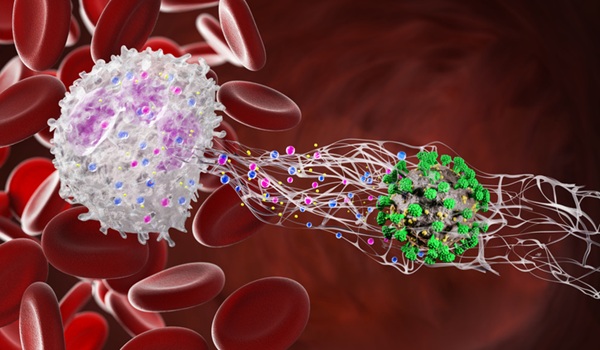
The technology couples single‑cell data generation with advanced artificial intelligence (AI) algorithms to deliver individualized, actionable reports rapidly. By deciphering tumor heterogeneity at single‑cell resolution, the platform pinpoints distinct cell populations and clarifies their functions, with the goal of embedding real‑time insights into molecular tumor board reviews and treatment decisions. The initiative builds on an initial feasibility study conducted on retrospective samples that showed effective sample processing and delivery of individualized reports. The new collaboration moves to a prospective setting fully integrated into clinical workflow to support selection of the most appropriate therapies for patients with advanced cancer.
“I have seen firsthand how single-cell analysis can uncover mechanisms of treatment resistance in retrospective studies. I am very excited about using the OneMap solution in a prospective setting, fully integrated into the clinical workflow, as it could represent a major step forward in selecting the most appropriate treatment for each patient. We believe that OneMap's game-changing advantage is clear: deciphering tumor heterogeneity at the single-cell level, pinpointing unique cell populations, and exposing their function will empower clinicians and allow to make more informed and smarter decisions in the treatment of patients with advanced cancer,” said Prof. Sophie Postel‑Vinay, oncologist at Gustave Roussy, team leader in Inserm unit U981 at Gustave Roussy and associate professor at University College of London.
"This project is a testament to the transformative power of One Biosciences’ end-to-end innovation - from pioneering laboratory workflows that unlock high-fidelity single-cell data to our AI-driven bioinformatics platform, OneMap, which automates analysis and delivers clinically actionable insights directly to physicians. Beyond proving feasibility, its success has the potential to revolutionize standard-of-care diagnostics, paving the way for large-scale adoption. We are excited to reveal the results and anticipate sharing this work with the oncology community,” said Dr. Céline Vallot, co‑founder and CSO of One Biosciences.
Related Links
Gustave Roussy
One Biosciences