Partnership Aims to Improve Transplant Monitoring Across Care Continuum
Posted on 24 Jun 2026
Allograft rejection and chronic graft dysfunction remain major challenges in solid organ transplantation, requiring careful immunologic matching and long-term surveillance. Fragmented pre- and post-transplant assessment can obscure early risk signals and delay treatment changes. A new partnership now links pre-transplant molecular risk stratification with post-transplant molecular monitoring to support a more integrated, individualized approach to immunosuppression.
Pirche AG (Berlin, Germany), a digital health company specializing in molecular risk assessment for transplantation, has partnered with precision medicine leader Natera, Inc (Austin, TX, USA). The collaboration aims to enhance patient care by linking Pirche’s pre-transplant immunological risk scoring with post-transplant molecular monitoring via Natera’s Prospera test, providing continuous surveillance throughout the transplant journey.
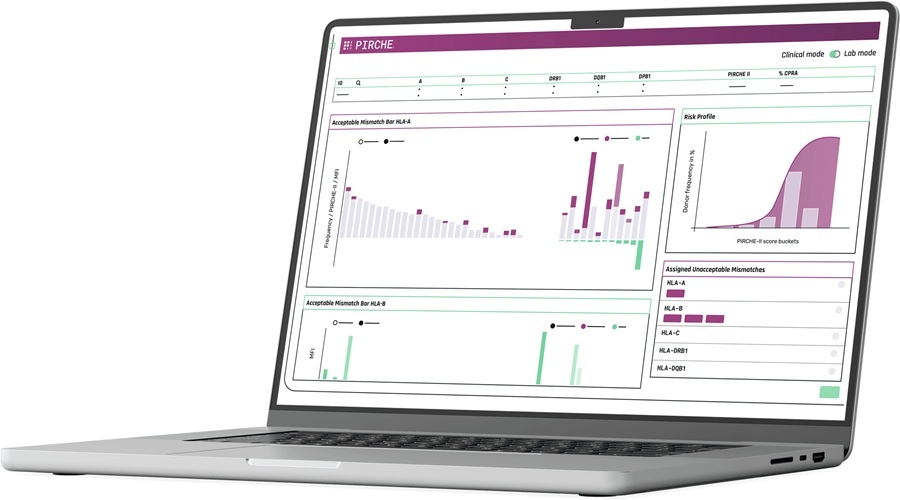
At the core of the collaboration is Pirche’s TxPredictor platform, which uses proprietary algorithms to analyze histocompatibility and predict immunological risk. According to the company, this digital molecular risk assessment is designed to help clinicians optimize donor matching and manage post-transplant immunosuppression. By pairing TxPredictor scores with Prospera test results, the partners aim to enable continuous, data-driven assessment before and after transplantation.
Under the terms of the collaboration, Pirche will lead customer education and interactions that highlight the clinical rationale for combining TxPredictor-derived pre-treatment risk stratification scores with Prospera results. The stated goal is to generate comprehensive analyses of each patient’s immune status, demonstrate the potential for more personalized transplant care, and support immunosuppression decisions with integrated molecular insights. The partners describe the approach as unifying pre-transplant risk profiling with post-transplant monitoring to better inform care pathways.
"Integrating the predictive power of our TxPredictor platform with Natera’s Prospera dd-cfDNA test gives transplant teams an unprecedented toolkit to personalize immunosuppression therapies and ultimately protect graft longevity. This collaboration represents a significant step forward in making precision medicine a routine reality for transplant patients worldwide,” said Thomas Klein, Founder & CEO of Pirche.
“Natera is deeply committed to improving organ transplant outcomes through continuous innovation and clinical education. By collaborating with Pirche, we aim to better educate the transplant community on how pre-transplant molecular risk stratification can help optimize and inform post-transplant surveillance,” said Bernie Tobin, General Manager of Organ Health at Natera.
Related Links
Natera
Pirche AG