Open Multi-Omics Platform Identifies Prognostic Subtypes in Blood Cancers
Posted on 08 Apr 2026
Blood cancers encompass diverse entities whose biology and clinical behavior are best understood through integrative analyses across large cohorts. However, multi‑omic datasets and outcomes information often remain disconnected across studies and age groups, limiting cross‑disease comparisons. A resource that unifies whole‑genome, whole‑transcriptome, and clinical data could enable deeper, clinically relevant insights. New findings demonstrate a platform that merges these data streams to accelerate discovery in hematologic malignancies.
St. Jude Children's Research Hospital, in collaboration with the American Society for Hematology (ASH) and the Munich Leukemia Laboratory, has developed the ASH HematOmics Program (ASHOP), an open resource and analytics environment for blood cancers. ASHOP brings together genomics, gene‑expression, and linked clinical outcomes from 5,960 patients across acute lymphoblastic leukemia (ALL), acute myeloid leukemia (AML), myelodysplastic syndromes (MDS), and chronic lymphocytic leukemia (CLL). The platform integrates whole genome sequencing (WGS), whole transcriptome sequencing (WTS), and harmonized clinical annotations, and includes built‑in tools that allow users to explore cancer types and subtypes, compare patient groups, and interrogate connected outcomes without advanced coding skills.
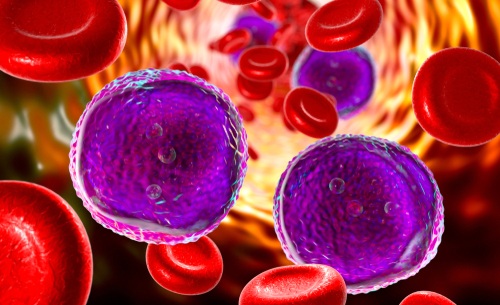
The platform and its initial findings were published in Blood on April 6, 2026. Using ASHOP, investigators showed that combining genetic and gene‑expression data reveals patient differences that are not otherwise apparent. In one demonstration, they identified two developmental subgroups within a form of childhood B‑cell leukemia; one subgroup exhibited more immature, inflammation‑associated cancer cells, specific gene mutations, and worse outcomes.
A second example focused on adult NPM1‑mutated AML, where ASHOP analyses distinguished groups with different HOX gene activity, mutation patterns, and levels of cell maturity, suggesting differences in disease behavior and treatment resistance. Collectively, these use cases illustrate how the unified portal can uncover biologically and clinically meaningful leukemia subtypes and enable analyses that were previously impractical across fragmented datasets. The team describes ASHOP as a single open resource designed to accelerate discovery across hematologic diseases.
“Large genomic, transcriptomic and clinical datasets for blood cancers have been generated across many studies, but they have remained disconnected. ASHOP brings these data together into one accessible platform so researchers can look at hematological malignancies more holistically and analyze them deeper to make novel discoveries,” said Xin Zhou, Ph.D., St. Jude Department of Computational Biology.
“ASHOP is much more than a collection of hematology data; it's an interactive tool and resource that allows users to interrogate the data without the need for advanced coding skills. Genomic sequencing has been pivotal in driving advancements in hematologic conditions, and this database empowers the hematology community to explore genomic variants, interpret clinical correlations and uncover potential therapeutic targets,” said Robert Negrin, MD, ASH president.
Related Links
St. Jude Children's Research Hospital
American Society for Hematology
Munich Leukemia Laboratory,