New Test Detects Breast Reconstruction-Related Infections Before Symptoms Appear
Posted on 10 Feb 2026
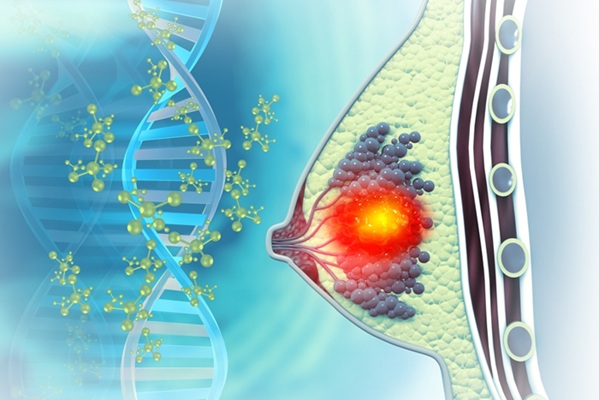
Breast reconstruction after mastectomy is common, but implant-based procedures carry a high risk of infection that can lead to implant removal, repeat surgeries, delays in cancer care, and significant emotional and financial strain. Current diagnosis relies on visible symptoms such as redness and swelling, which often appear late and can resemble normal post-surgical healing. Researchers have now shown that infections can be detected days or even weeks earlier using molecular signals found in post-surgical fluid, enabling earlier and more effective intervention.
In a study led by Washington University School of Medicine in St. Louis (St. Louis, MO, USA), researchers sought to develop a clear and reliable early test for implant-related infections following breast reconstruction. Their approach focused on identifying molecular biomarkers in fluid routinely drained from patients’ breasts during follow-up visits, aiming to detect infection before clinical symptoms emerge.
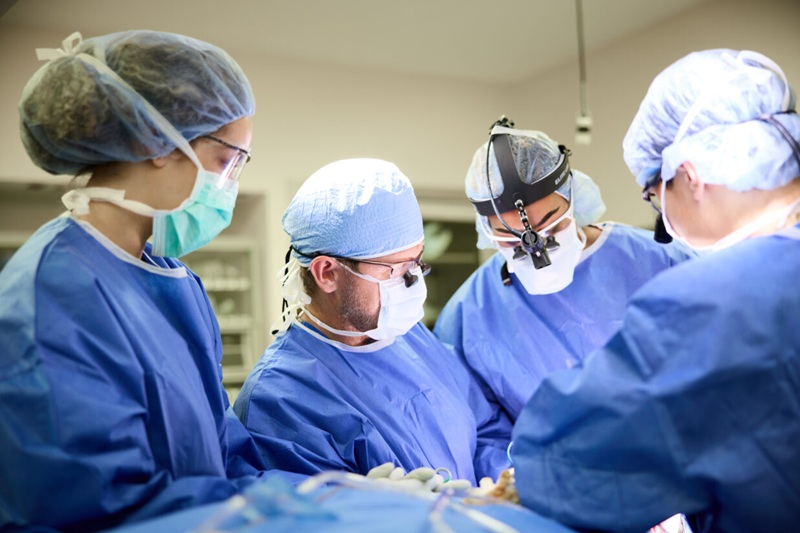
The team used metabolomics, a technique that analyzes small molecules produced by human cells and invading pathogens. These metabolites can reveal infection-related biological activity long before visible inflammation develops. Fluid samples were collected during routine postoperative visits, allowing infection surveillance to be integrated into standard care without additional invasive procedures.
Samples from 50 reconstruction patients were analyzed, including individuals who later developed infections and those who healed without complications. Distinct metabolite patterns were identified that reliably predicted infection days to weeks before symptoms appeared. The findings, published in the Journal of Clinical Investigation, show that certain molecular signatures were also linked to more severe infections, helping differentiate cases that might require aggressive treatment.
Early detection could allow doctors to begin targeted antibiotics before infections become severe, preserving implants and reducing the need for additional surgery. Equally important, patients without infection signals could avoid unnecessary antibiotics, supporting responsible antibiotic use. The researchers plan further validation studies, followed by the development of a point-of-care diagnostic test for routine postoperative visits, with potential applications across other types of surgical infections.
“The ability to identify with a molecular signature early on that a patient will go on to have an infection opens up the possibility of surveillance as part of standard care,” said Professor Jeffrey P. Henderson, MD, PhD, senior author of the study. “This has the potential to enable earlier treatment that would be far more effective — and potentially curative — in patients who would otherwise progress to prolonged courses of treatment and surgery, or even implant removal and reconstructive failure.”
Related Links:
WashU Medicine