New Research Examines Hi-C Sequencing Across Solid Tumors and Lymphoma
Posted on 09 Nov 2026
Arima Genomics (Carlsbad, CA, USA) will present new research highlighting the expanding clinical applications of its Aventa FusionPlus and Aventa Lymphoma tests at the Association for Molecular Pathology (AMP) 2026 Annual Meeting & Expo, taking place November 10–14 in Seattle. Three scientific presentations will examine the use of the company’s high-throughput chromosome conformation capture (Hi-C) sequencing technology in salivary gland cancer, triple-negative breast cancer, and aggressive cutaneous T-cell lymphoma.
Two presentations will focus on Aventa FusionPlus, which detects clinically relevant gene fusions and rearrangements across solid tumors. Researchers at the Icahn School of Medicine at Mount Sinai will present findings on the detection of MYB and MYBL1 rearrangements in adenoid cystic carcinoma of the salivary gland using Hi-C technology. A separate poster from Arima Genomics will explore oncogene rearrangements involving enhancer hijacking in triple-negative breast cancer using formalin-fixed, paraffin-embedded (FFPE) tumor samples.
These studies build on previous research in non-small cell lung cancer demonstrating the identification of actionable genomic alterations missed by conventional sequencing. Additional research will examine Aventa Lymphoma and Hi-C sequencing in lymphoid malignancies. Collaborators from Yale School of Medicine and Arima Genomics will present findings on detecting diagnostic gene rearrangements and fusions in aggressive cutaneous T-cell lymphomas.
The lymphoma presentation builds on a study with Duke University researchers, published in Blood Advances, showing that Hi-C sequencing complements routine fluorescence in situ hybridization (FISH) testing in diffuse large B-cell lymphoma by identifying clinically important rearrangements missed or not evaluated by conventional methods. Russell J.H. Ryan, MD, of the University of Michigan Medical School will also discuss the use of FFPE-compatible Hi-C sequencing to identify oncogene rearrangements in lymphoid cancers.
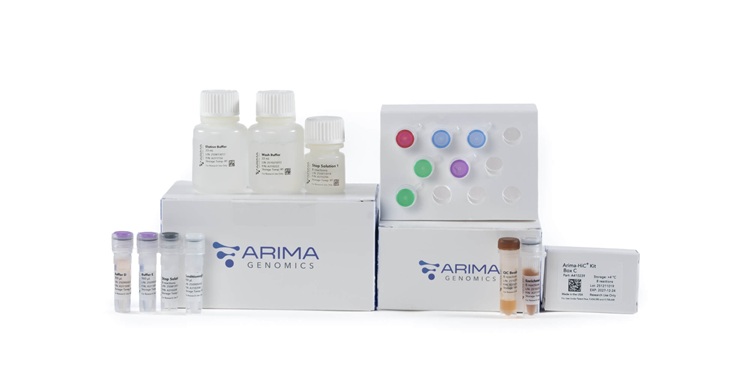
The Aventa testing approach uses Arima’s proprietary Hi-C sequencing technology to analyze genomic structure and identify cancer-associated fusions and rearrangements that conventional methods may miss. Aventa FusionPlus targets structural alterations in solid tumors, while Aventa Lymphoma focuses on lymphoid cancers. Both tests are offered through the company’s CLIA-certified laboratory in Orlando, Florida. Arima is also developing methods to detect copy number variants and small variants using a single tissue sample.
Alongside the scientific presentations, Arima Genomics will host a corporate workshop featuring clinical cases from lymphoma, lung cancer, and sarcoma. The workshop will demonstrate how Aventa testing can identify genomic alterations that conventional approaches may overlook, potentially improving disease classification, risk assessment, and treatment selection.
“The breadth of research being presented at AMP reflects how we’re extending the evidence for Aventa testing across cancer types,” said Tom Willis, PhD, Chief Executive Officer of Arima Genomics. “At the same time, we’re developing methods to analyze additional genomic alterations beyond fusions and rearrangements.”
Related Links
Arima Genomics