New Genetic Cause Identified for Neurodevelopmental Disorder
Posted on 05 Aug 2026
For many families, the reason a child fails to meet developmental milestones can remain unclear for years. These neurodevelopmental conditions often involve developmental delay, autism, and, in some cases, epilepsy, complicating efforts to pinpoint an underlying cause. Investigators have now identified a genetic explanation for a subset of previously unexplained cases. New findings demonstrate how alterations in a single gene disrupt neuronal signaling and align with a recurring clinical presentation.
At the Leibniz Institute for Neurobiology (LIN; Magdeburg, Germany), an international team linked de novo variants in the NPTN gene to a rare neurodevelopmental disorder marked by developmental delay or intellectual disability and frequent autism diagnoses. NPTN encodes the protein neuroplastin, and the study provides evidence that changes in this gene can contribute to neurodevelopmental disorders and autism. The work was published in Genome Medicine on July 1, 2026.
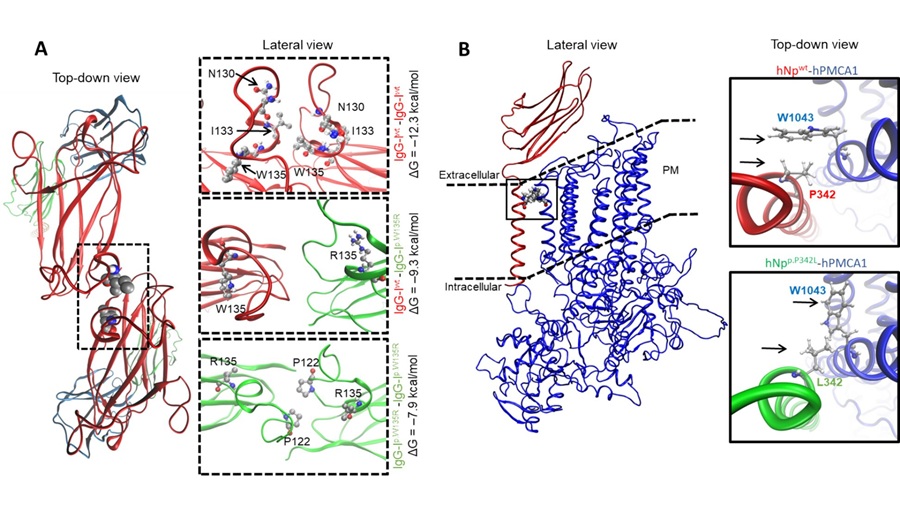
The researchers detailed how NPTN alterations impair neuroplastin’s role in regulating neuronal calcium balance. Altered neuroplastin was shown to perform this function unreliably, leading to less effective activity of certain calcium pumps known as PMCA pumps that normally remove excess calcium from cells. Prolonged calcium activity can disrupt signal processing in nerve cells and impair the development of neural networks.
The study examined eight children for whom no clear cause of a developmental disorder had previously been identified and found NPTN changes in all eight. All experienced developmental delays or intellectual disabilities; seven had been diagnosed with autism. Some also developed epilepsy, lost previously acquired language skills, or showed abnormalities in movement and sleep. In every case, the genetic changes had arisen spontaneously rather than being inherited from the parents.
To probe the mechanism, the team combined genetic analyses with experiments in cell cultures and animal models. They observed markedly altered calcium signals in nerve cells. In mice, reducing neuroplastin by half led to a substantial decline in key calcium pumps in the brain, in some cases by almost 50%, and animals displayed reduced interest in social interaction. Experiments in fruit flies provided additional evidence that changes in neuroplastin impair protein function.
According to the authors, the results provide a foundation for identifying similar cases and can help affected families move toward a definitive diagnosis and a clearer assessment of likely disease course. The team is investigating whether the disrupted calcium signaling pathways can be influenced and when an intervention might be effective. Further research is needed because only eight affected children have been identified to date.
“Our findings show that neuroplastin plays an important role in the brain. If the protein is altered or if the body does not produce enough of it, nerve cells may no longer be able to process signals correctly,” said PD Dr. Dirk Montag of the Leibniz Institute for Neurobiology.
“The strength of this study lies in establishing a direct link between the clinical observations and the underlying molecular mechanisms,” added Montag.
Related Links
Leibniz Institute for Neurobiology