Multimodal AI Blood Test Aims to Improve Early Lung Cancer Screening
Posted on 18 Nov 2026
Lung cancer screening can detect stage 1 disease, but false-positive findings, repeated follow-up, and radiation exposure remain important concerns. Current NHS screening is limited to current and former smokers because of these risk-benefit considerations, leaving some never-smokers outside existing eligibility criteria. Blood-based biomarkers could help distinguish cancer-associated signals from normal biological variation and potentially refine early detection.
Researchers at the Cancer Research UK National Biomarker Centre are developing an artificial intelligence-based approach to support lung cancer screening through blood analysis. The work focuses on liquid biopsy markers, including molecules and cells released by early tumors into the bloodstream. By identifying molecular signatures associated with early disease, the researchers aim to complement CT screening and improve the accuracy of lung cancer detection.
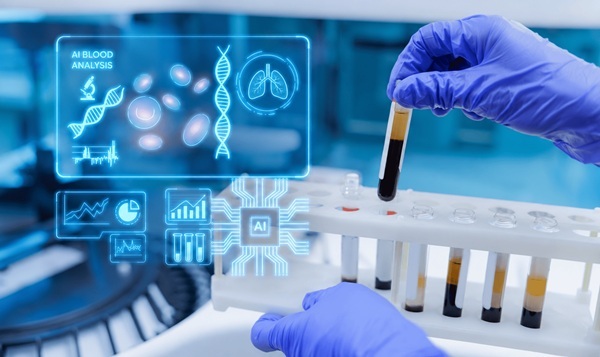
The team is using a multimodal strategy rather than relying on a single type of measurement. Proteomic analysis is being used to measure thousands of circulating proteins, while circulating DNA fragments are being assessed for cancer-associated mutations, chemical modifications such as methylation, and differences in fragment size known as fragmentomics. Researchers are also examining rare abnormal circulating cells, including cancer cells, and collaborating with U.S. investigators to analyze circulating RNA.
The study uses 200 matched pairs of blood samples drawn from a larger lung screening collection. Each cancer-positive sample is paired with a sample from a participant who remained cancer-free but was otherwise similar in age, sex, and smoking history. Artificial intelligence models will be trained using the first 100 cancer-positive and matched-negative pairs and then tested on the remaining 100 pairs without being told which samples came from participants with cancer. The researchers will also determine the minimum number of measurements needed to maintain accuracy across these large, multimodal datasets.
The work is being conducted with Wythenshawe Hospital, the Christie Hospital, wider NHS trusts, collaborators in the U.S., and Cancer Research Horizons. If the data are convincing, the next step described by the team would be a much larger study. No diagnostic performance metrics have yet been reported.
“I'm hugely grateful that Cancer Research UK has given me a stable base to develop strong networks, not only in Manchester with the Christie Hospital and wider NHS trusts, but around the UK and abroad. We've got the right ingredients in the pot—now we're just going to have to see what these precious samples can tell us,” said Professor Caroline Dive CBE, center director at the Cancer Research UK National Biomarker Centre.
Related Links
Cancer Research UK National Biomarker Centre