


Streamlined Genetic Testing Speeds Pediatric Immune Disorder Diagnosis
Posted on 20 Oct 2026
Children with genetic immune conditions can develop life-threatening illness, unusual infections, or autoimmune problems before the underlying cause is identified. More than 500 of these rare disorders are known, leaving affected children vulnerable to infection, allergies, inflammation, autoimmunity, and cancer. Delayed or duplicated testing can add stress for families and slow treatment decisions. New findings now show that a streamlined genetic testing model could substantially shorten the time to diagnosis.
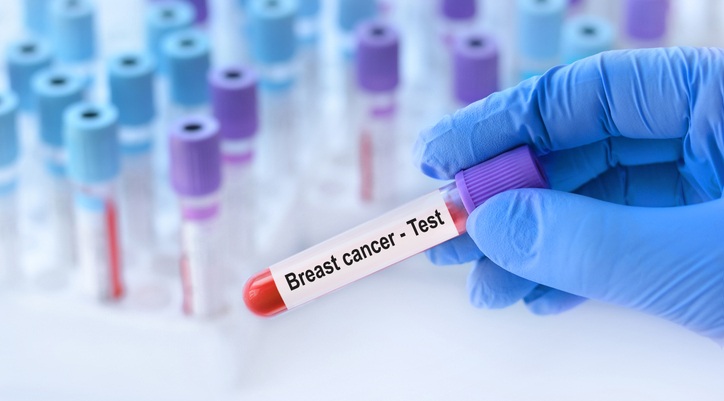
University of Queensland (Brisbane, Australia) researchers, working with Children’s Health Queensland, evaluated a new model of care for genomic testing in pediatric inborn errors of immunity. The approach uses in-house pathology tests and streamlined access to specialists to shorten the diagnostic pathway for children with immune conditions. Under the model, diagnosis waiting times could fall from 12 months to as little as two weeks.

The study examined nine years of genetic test data from 322 children tested through Queensland’s pediatric immunology service. Researchers assessed how the new testing process could improve testing rates and reduce unnecessary procedures. The analysis found that 30% of cases involved duplicate blood tests that were not needed.
The findings also showed that once a genetic diagnosis was made, the treatment plan changed in 90% of cases. Treatments for these conditions can include stem cell transplants, blood antibody infusions or infection prevention, depending on the condition. The study, “Evaluating Genomic Testing in Pediatric Inborn Errors of Immunity: An Optimal Model of Care,” was published in the Journal of Clinical Immunology.
The model also incorporates multidisciplinary team meetings in which specialists share knowledge on patient cases. According to Queensland Children’s Hospital, this structure reduces the need for families to move between multiple specialists. The study was conducted by the University of Queensland and Children’s Health Queensland.
“A faster result and diagnosis mean we can start targeted treatments early, which leads to fewer cumulative problems and less organ damage and increases the chance of kids leading a more normal life and attending school rather than being in and out of the hospital,” said Dr. Peter McNaughton, immunologist at Queensland Children’s Hospital.
“We regularly hold multidisciplinary team meetings where all specialists involved share knowledge on patient cases, which in turn allows everyone to improve their skills and cuts out the need for patients to be referred to several different specialists. This new model of care really is a team effort, and it’s making a huge difference to patients’ lives,” said Dr. McNaughton.
Related Links
University of Queensland
Queensland Children’s Hospital