CSF Liquid Biopsy Could Help Distinguish Cancer from Autoimmune Brain Inflammation
Posted on 24 Sep 2026
Autoimmune encephalitis can cause memory and behavioral changes, seizures, and altered consciousness, but diagnosis can be challenging because cancers involving the brain and central nervous system may produce similar symptoms and mimic inflammation on imaging and cerebrospinal fluid tests. When antibody testing for autoimmune encephalitis is negative, an underlying tumor may remain undetected. A new diagnostic proposal seeks to address this gap by adding cerebrospinal fluid liquid biopsy to the evaluation of selected patients.
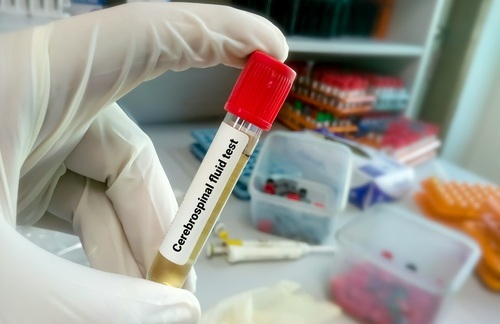
The workflow proposed by University of Kentucky (UK; Lexington, Kentucky) researchers uses cerebrospinal fluid (CSF) liquid biopsy to detect genetic and molecular signs of cancer. Because CSF is often collected by spinal tap during evaluation for autoimmune encephalitis, the approach would add molecular testing to a specimen already obtained as part of the diagnostic workup. It is intended for patients whose findings raise concern that an underlying cancer, rather than autoimmune disease, may be responsible for their symptoms.
The workflow identifies five reasons to consider liquid biopsy: unusual symptoms despite negative antibody tests, unclear MRI findings, lack of response to initial treatment, a current or previous cancer diagnosis, and inflammatory CSF despite negative conventional cancer testing. The described methods include validated, commercially available tests incorporated into National Comprehensive Cancer Network guidelines for several cancers affecting the central nervous system. Some targeted tests can return results within hours.
The proposal cites a multicenter study of autoimmune encephalitis misdiagnosis in which brain tumors accounted for 9.5% of misdiagnoses. Patients in that study waited a median of 16 months for the correct diagnosis, and one in five experienced complications from immunotherapy they did not need. Those figures describe the cited study, not a performance evaluation of the proposed liquid biopsy workflow.
The proposal was published in the Journal of the Neurological Sciences on September 15, 2026. It does not call for liquid biopsy in every patient evaluated for autoimmune encephalitis. Instead, it describes warning signs that could prompt clinicians to broaden the search for an underlying cancer.
"This workflow is designed to save lives. We need to recognize when the underlying problem may be cancer and use the tools available to find what might otherwise be missed," said Jagannadha "Jay" Avasarala, M.D., of the UK College of Medicine Department of Neurology.
Related Links
UK College of Medicine