Epigenetic Profiling Could Refine Prognosis in Acute Myeloid Leukemia
Posted on 10 Jul 2026
Acute myeloid leukemia (AML) is an aggressive hematologic malignancy with heterogeneous biology that complicates prognostication and treatment selection. Genetic testing clarifies many drivers, yet it often fails to explain divergent disease trajectories among patients. Understanding non-genetic mechanisms of gene regulation has become an important diagnostic frontier. A new study shows how epigenetic mapping can stratify AML into biologically meaningful groups.
Karolinska Institutet, in collaboration with Kyoto University, evaluated an epigenetic mapping approach that profiles how accessible DNA is within the cell nucleus to infer which genes may be active. The method captures chromatin accessibility, enabling classification based on gene regulatory states rather than DNA sequence changes. Researchers assessed regulatory patterns to delineate molecular programs that underlie AML heterogeneity and clinical behavior.
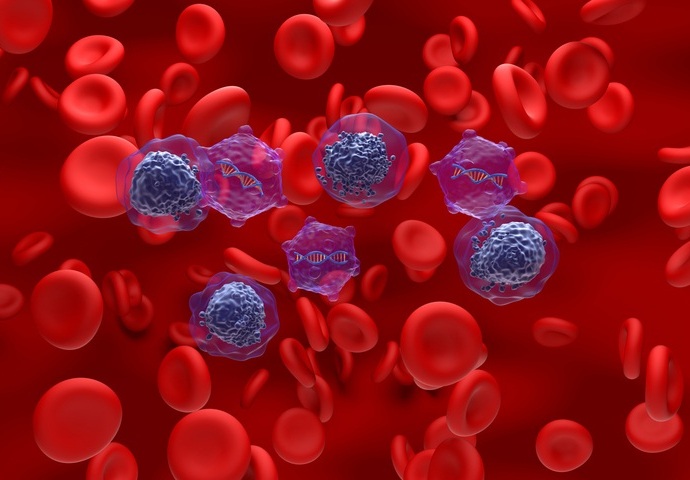
The investigation analyzed samples from 1,563 patients in Sweden and Japan. Using measurements of DNA accessibility, the team divided AML into 16 groups with distinct molecular and biological characteristics. The study integrated multiple data types, including gene expression, DNA methylation, and single-cell analyses, to define each group’s patterns of gene regulation, cell differentiation, and disease progression.
Several epigenetically defined groups were more closely associated with patient survival than existing classification systems, indicating added prognostic value. Drug-response profiling across 250 agents revealed group-specific differences in sensitivity that aligned with the epigenetic categories. The authors noted that these findings, published in Nature on July 8, 2026, do not replace current genetics-based systems but can complement them, and that additional studies are needed to validate the results and clarify clinical use.
“Our results show that, based on epigenetic analyses, leukemia can be divided into new biologically relevant subgroups that provide more information than genetic analyses alone,” said Sören Lehmann, professor at the Department of Medicine, Huddinge, Karolinska Institutet.
Related Links
Karolinska Institutet
Kyoto University