Proteomic Risk Score Predicts Kidney Disease Progression in High-Risk Patients
Posted on 29 Apr 2026
Chronic kidney disease progression is difficult to anticipate, limiting opportunities to intervene before irreversible decline. Risk assessment is especially uncertain for people who carry high‑risk variants in apolipoprotein L1 (APOL1), even when kidney function appears preserved. Earlier, actionable signals are needed to guide monitoring and care. New findings demonstrate that a plasma proteomics–based score can predict progression among individuals with APOL1 high‑risk genotypes.
University of Pennsylvania (Philadelphia, PA, USA) investigators developed the APOL1 Proteomic Risk Score (APRS), a nine‑protein plasma panel that estimates the likelihood of kidney disease progression in APOL1 high‑risk individuals. The score is intended to stratify risk in patients with preserved kidney function. It focuses on a composite clinical outcome that includes substantial estimated glomerular filtration rate (eGFR) decline, kidney failure, or death.
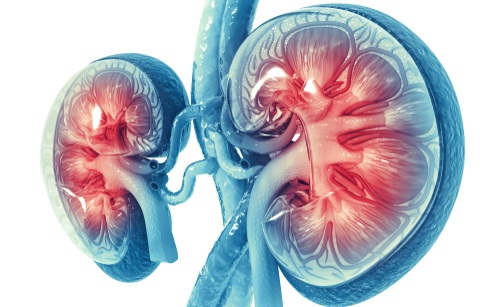
To construct APRS, researchers profiled plasma proteomes from 851 Penn Medicine BioBank participants of African ancestry with APOL1 high‑risk genotypes and preserved eGFR. Using elastic net Cox regression, the team derived the score while adjusting for age, sex, eGFR, and albuminuria. The prespecified composite endpoint was at least a 40% decline in eGFR, kidney failure, or death.
APRS achieved a time‑dependent area under the receiver operating characteristic curve (tAUC) of 86.5%, exceeding the performance of the Kidney Failure Risk Equation at 66.1% and outperforming polygenic risk scores. Across risk quintiles, 10‑year event rates were 62.5% versus 3.3%. Accuracy was confirmed in external validation using the Atherosclerosis Risk in Communities and U.K. Biobank cohorts, where tAUC values ranged from 82% to 85% and performance was consistent across demographic and clinical subgroups.
Plasma levels of APRS component proteins correlated with kidney tissue fibrosis and tubular injury pathways. The study was published online April 15, 2026, in Nature Medicine. Several authors disclosed ties to the biopharmaceutical industry.
“One of the challenges in developing new therapies has been identifying the right patients early enough. This provides a way to focus treatment on those most likely to benefit,” said Katalin Susztak, M.D., Ph.D., senior author, University of Pennsylvania.