Finger Prick Blood Test Shows Promise for Early Alzheimer’s Detection
Posted on 27 Jan 2026
Alzheimer’s disease remains difficult to diagnose early because definitive assessment often depends on costly imaging and invasive procedures that are not widely accessible. Current diagnostic pathways rely heavily on brain imaging and lumbar puncture, approaches that can be slow, invasive, and constrained by available infrastructure, delaying evaluation for many patients. In response to these challenges, researchers are evaluating whether a finger-prick blood test that measures plasma biomarkers associated with the disease could serve as a simple, noninvasive option to aid in Alzheimer’s disease diagnosis.
The large, multi-country effort is part of the Bio‑Hermes‑002 study sponsored by the Global Alzheimer’s Platform Foundation, in partnership with LifeArc and the UK Dementia Research Institute’s Biomarker Factory. The study compares blood-based biomarkers and digital assessments with positron emission tomography (PET) and magnetic resonance imaging (MRI) across 25 sites in the UK, the United States, and Canada.

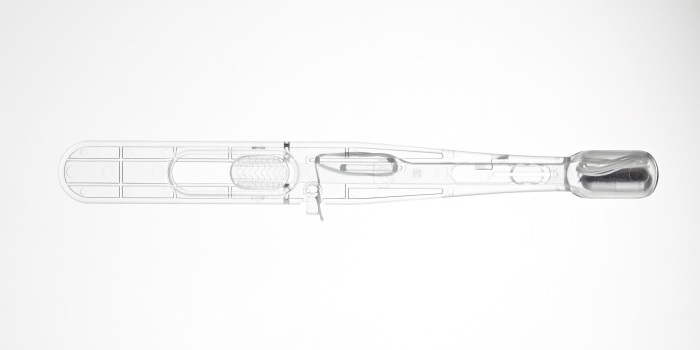
Investigators will analyze three blood‑based biomarkers—phosphorylated tau 217 (pTau217), glial fibrillary acidic protein (GFAP), and neurofilament light polypeptide (NfL)—and compare results with other blood and digital measures such as speech tests, retinal imaging, and cognitive testing, as well as gold‑standard PET and MRI. The study centers on a finger‑prick blood approach that uses a simple plasma separation card. Using this method, the samples do not require refrigeration and can be stored and shipped at ambient temperature for laboratory analysis, potentially simplifying logistics.
To date, 883 of the planned 1,000 volunteers have been enrolled across the 25 sites, including cognitively normal individuals, participants with mild cognitive impairment, and those with mild to moderate Alzheimer’s disease; more than 360 have completed testing. The study anticipates at least 25% of participants to come from underrepresented ethnic groups, a key objective in addressing longstanding gaps in health research across populations. Trial completion is expected in 2028.
If successful, the test could provide a scalable, accessible, and cost-effective approach to screening, enabling earlier intervention and increasing the likelihood of delaying disease progression or symptom onset. Researchers are particularly encouraged by the potential of a finger-prick blood test to expand patient access to emerging therapies designed to slow Alzheimer’s disease in its early stages.
“Over the last five years, there has been substantial progress in identifying blood-based biomarkers to identify people at high risk of developing Alzheimer’s disease before their symptoms present. Developing cheaper, scalable and more accessible tests is vital in the battle against this devastating condition," said Dr. Giovanna Lalli, Director of Strategy and Operations at LifeArc.
Related Links
Global Alzheimer’s Platform Foundation
LifeArc
UK Dementia Research Institute





.jpg)