Genetic Test Could Detect Predisposition to Pancreatic Cancer
Posted on 19 Jan 2026
Pancreatic ductal adenocarcinoma is one of the deadliest cancers, largely because it is usually diagnosed at an advanced stage when treatment options are limited. The lack of effective population screening tools makes early detection particularly challenging, contributing to persistently high mortality rates. Identifying people at increased genetic risk is therefore a critical unmet need. Now, a new genetic study highlights specific immune-related pathways that may help predict both disease risk and outcomes.
In research led by the National Cancer Research Centre (CNIO, Madrid, Spain), investigators focused on genes belonging to the complement system, a core component of the body’s innate immune defense. Although complement proteins are known to play roles in infection and inflammation, their involvement in cancer development has been minimally explored until now.
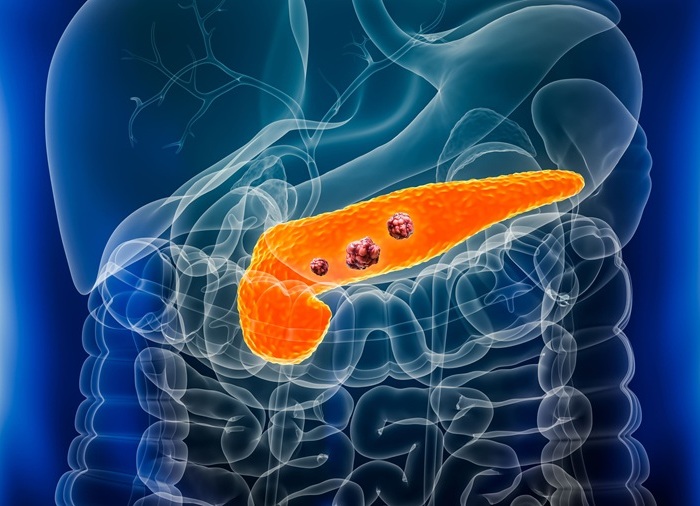
Using large-scale genetic analyses, the researchers examined how variations in complement-related genes influence susceptibility to pancreatic ductal adenocarcinoma and disease prognosis. They identified specific gene sets whose altered activity reflects dysfunction in complement regulation. When these pathways fail or become overactive, they may contribute to tumor initiation or progression.
The study showed that mutations in two complement system genes, FCN1 and PLAT, were associated with a higher likelihood of developing pancreatic cancer. These genetic alterations could serve as biomarkers to help identify individuals at elevated risk. The findings, published in the journal Nature Communications, represent a step toward stratified screening strategies for high-risk populations.
In addition to risk prediction, the analysis revealed that other complement-related genes influence immune cell infiltration within tumors. Certain gene activity patterns favored immune cells associated with better survival, while others promoted regulatory cells linked to poorer outcomes. These insights suggest that complement system profiling could inform both prognosis and future therapeutic strategies.
This new knowledge about the relationship between the complement system and pancreatic cancer allows us to consider “new immunotherapies targeted at these genes,” said CNIO researcher Núria Malats, who led the study.
Related Links:
CNIO