Blood Test Predicts Crohn’s Disease Years Before Symptoms Appear
Posted on 16 Jan 2026
Crohn’s disease is a chronic inflammatory disorder of the gastrointestinal tract that causes persistent digestive symptoms, pain, and fatigue, often leading to lifelong treatment. Incidence rates are rising worldwide, including a sharp increase among children, yet the disease is usually diagnosed only after symptoms appear and intestinal damage has already begun. Current therapies can control inflammation but rarely prevent disease onset or progression. Researchers have now shown that a specific immune signal in blood can predict Crohn’s disease years before symptoms develop.
A team of researchers, led by Sinai Health (Toronto, ON, Canada), focused on measuring immune responses to flagellin, a protein found on gut bacteria. Elevated antibodies against flagellin reflect an abnormal immune reaction to normally harmless intestinal microbes and can be detected through a simple blood test. The work builds on data from the Genetic, Environmental and Microbial (GEM) Project, a large international cohort following healthy first-degree relatives of people with Crohn’s disease. Since 2008, the project has collected genetic, biological, and environmental data to understand how Crohn’s begins before clinical symptoms appear.
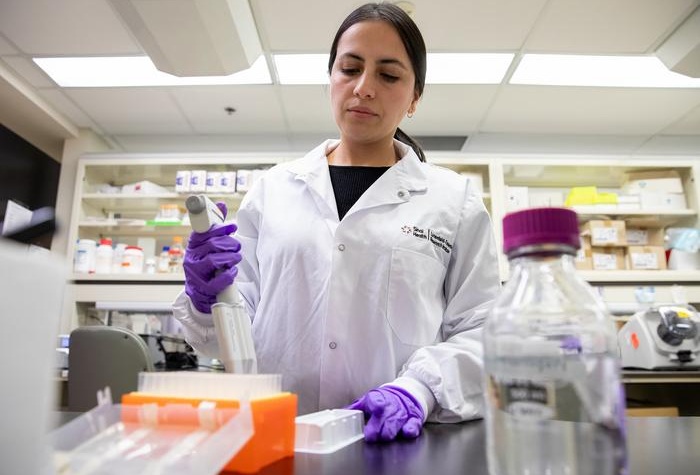
This unique design allows researchers to examine immune changes during the earliest, pre-disease stages. The study followed 381 first-degree relatives of Crohn’s patients, including siblings, parents, and children. Over time, 77 participants developed Crohn’s disease, and more than one-third showed elevated antibody responses to flagellin years before diagnosis. These immune responses were associated with intestinal inflammation and gut barrier dysfunction and typically appeared about two and a half years before clinical disease onset.
The findings, published in Clinical Gastroenterology and Hepatology, suggest that Crohn’s disease may be triggered by an early immune reaction to gut bacteria rather than arising suddenly at symptom onset. A blood-based test could help identify high-risk individuals long before disease develops, enabling closer monitoring or preventive strategies. Researchers believe this insight could support new approaches to early diagnosis, risk prediction, and even disease prevention, including immune-targeted interventions.
Related Links:
Sinai Health