New Biomarkers Predict Disease Severity in Children with RSV Bronchiolitis
Posted on 05 Jan 2026
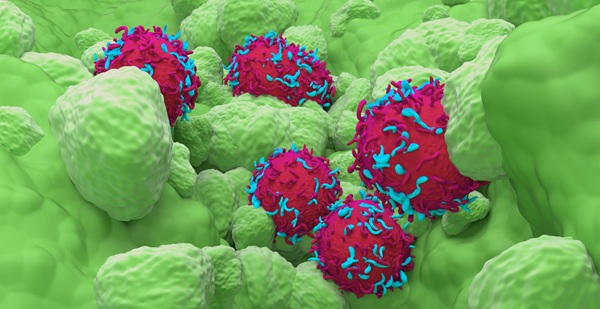
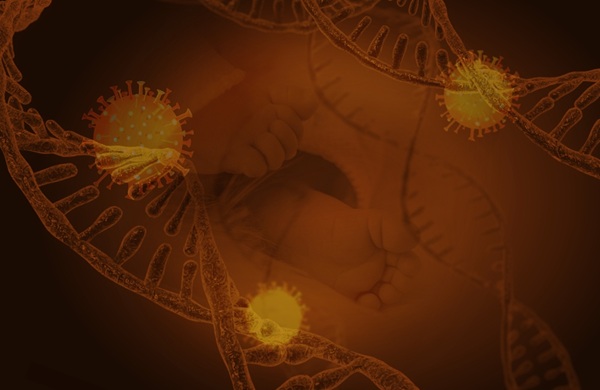
Respiratory syncytial virus (RSV) remains a leading cause of acute bronchitis in infants and young children and continues to contribute significantly to global childhood illness and mortality. Despite early RSV infections also linked to recurrent wheezing and the later development of asthma, clinicians still lack reliable tools to predict which children will develop severe disease or long-term respiratory complications. New research now suggests that specific blood biomarkers may help identify high-risk patients earlier and guide closer monitoring and intervention.
A study conducted by researchers from Children’s Hospital of Soochow University (Jiangsu, China) aimed to identify universal biomarkers associated with RSV bronchiolitis severity and wheezing recurrence by examining immune-related gene expression and signaling pathways linked to RSV infection. Their work focused on chemokines involved in inflammatory responses that may influence disease progression.
Researchers enrolled five hospitalized children with RSV bronchiolitis and five age- and sex-matched controls between one month and two years of age, all with RSV-positive nasopharyngeal aspirates. Blood leukocyte RNA sequencing was used to identify key hub genes, followed by flow cytometry to confirm chemokine expression. The analysis was expanded to include 50 infants with RSV and 30 controls who were followed for one year to assess recurrent wheezing outcomes.
A total of 12 hub genes and 712 differentially expressed genes were identified, with CXCL12 and CXCL13 emerging as the most clinically relevant chemokines. Elevated CXCL12 levels were associated with moderate-to-severe RSV bronchiolitis with an AUC of 0.835, while higher CXCL13 levels predicted recurrent wheezing with an AUC of 0.851. CXCL12 concentrations above 2658.93 pg/ml were linked to progression to severe viral pneumonia, and CXCL13 levels above 306.448 pg/ml were associated with wheezing recurrence.
The findings, published in Scientific Reports, suggest that early monitoring of CXCL12 and CXCL13 could help identify children at risk of severe RSV disease and long-term respiratory complications. Such biomarkers may support earlier treatment planning and closer follow-up for high-risk patients while avoiding unnecessary interventions in lower-risk cases. The researchers note that further clinical validation is needed since chemokine levels may also be influenced by non-RSV-related factors.
“Studies have shown that chemokines involved in RSV infection can exert chemotactic effects on inflammatory cells and may play a significant role in the pathophysiology of RSV bronchitis,” the study authors wrote, noting that additional research is required to clarify when and how to intervene in high-risk children.
Related Links:
Children’s Hospital of Soochow University