Simple Urine Test to Revolutionize Bladder Cancer Diagnosis and Treatment
Posted on 12 Dec 2025
Bladder cancer is one of the most common and deadly urological cancers and is marked by a high rate of recurrence. Diagnosis and follow-up still rely heavily on invasive cystoscopy or urine cytology, which is noninvasive but lacks sensitivity. These limitations create a strong need for accurate, patient-friendly tools that can detect and monitor disease without repeated invasive procedures. Now, a new study shows that detailed analysis of DNA fragments found in urine can accurately diagnose and stage bladder cancer using a simple, noninvasive test.
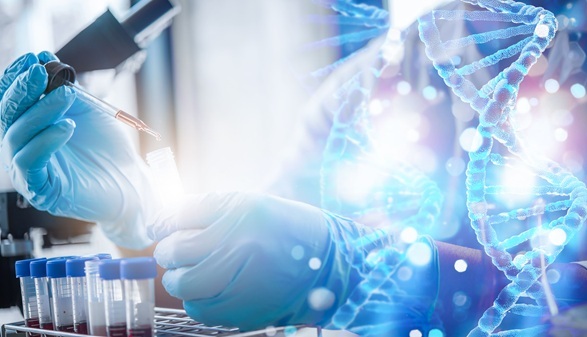
In the study led by Health Research Institute Hospital La Fe (IIS La Fe, Valencia, Spain), investigators focused on cell-free DNA released by tumor cells into urine and examined how these DNA fragments break apart. Using real-time PCR, they measured the concentration and fragmentation patterns of five genes, including ACTB, AR, MYC, BCAS1, and STOX1, in urine samples.
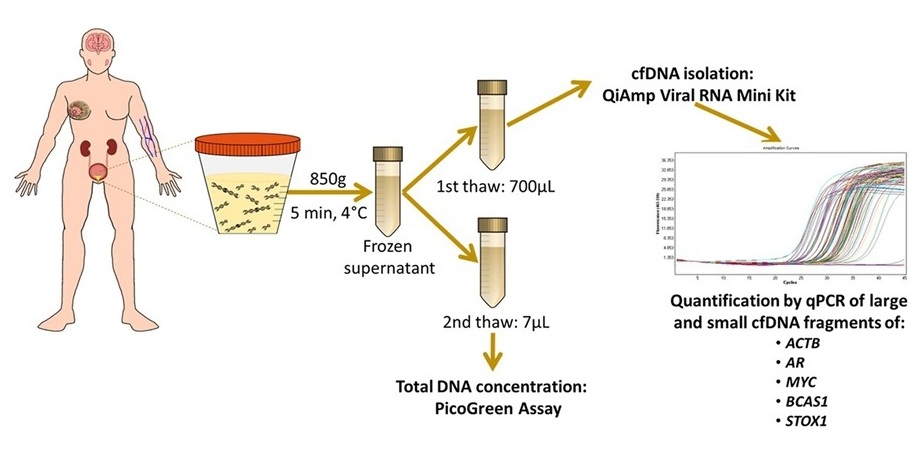
The approach is based on the idea that cancer alters how DNA is fragmented when cells die. By comparing short and long DNA fragments from specific genes, the researchers were able to identify cancer-specific patterns. These patterns not only distinguished patients with bladder cancer from healthy controls but also reflected how advanced the disease was.
The study analyzed urine samples from 156 patients with bladder cancer and 79 matched controls. Results showed that small fragments of the MYC gene were particularly powerful for diagnosis, demonstrating high specificity and strong predictive value for muscle-invasive disease. Fragmentation patterns of ACTB and AR were also found to increase with disease severity, suggesting usefulness for staging and relapse monitoring.
The findings, published in The Journal of Molecular Diagnostics, indicate that urine-based cfDNA fragmentation analysis could substantially reduce the need for cystoscopy, lower healthcare costs, and improve patient comfort while maintaining diagnostic accuracy. Going forward, the researchers believe this strategy could be integrated into routine clinical care as a screening and surveillance tool. With further validation, it may enable personalized, noninvasive monitoring of bladder cancer progression and recurrence.
“This study is one of the first to comprehensively evaluate urine cfDNA fragmentation and integrity across most bladder cancer stages, bringing us closer to a future in which bladder cancer can be diagnosed and monitored through a simple urine test, improving patient comfort and care,” said lead investigator, Pilar Medina, PhD. “Our findings show that urine can tell us much more than we thought; it holds the potential to transform how we detect and manage bladder cancer.”
Related Links:
IIS La Fe