Blood Protein Profile Indicates Early-Onset Coronary Heart Disease
Posted on 24 Nov 2025
People with a family history of early-onset coronary heart disease often face a higher risk despite normal cholesterol or blood pressure, and current screening tools don’t fully explain why. Now, a new study reveals that a distinct pattern of circulating proteins may serve as early warning markers of hereditary atherosclerosis, offering a biological explanation for this elevated risk.
In the study, researchers at Karolinska Institutet (Stockholm, Sweden) analyzed blood samples from more than 4,000 individuals without diagnosed heart disease and linked them to documented cardiovascular histories of the participants’ parents and siblings. The study identified 38 proteins, many of them involved in inflammation and lipid metabolism, that were significantly more prevalent in individuals with a family history of cardiovascular disease.
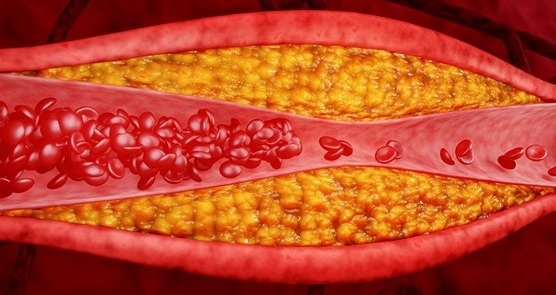
The team measured protein levels and compared them with detailed clinical imaging and registry data. They drew on the large Swedish SCAPIS population study, which includes computed tomography of coronary arteries, and matched these results with family histories from the Swedish Multigenerational Register. Among people with hereditary risk, coronary atherosclerosis was more extensive, reflected by a greater number of diseased coronary segments. Some proteins also showed stronger correlations with the severity of vessel disease, including the LDL receptor and PECAM1, both known to influence vascular function.
Researchers then applied genetic analyses to explore whether any of these proteins had a direct causal link to developing heart attacks. The findings pointed to follistatin, PCSK9, and PECAM1 as potential drivers of disease development. These results align with known biological pathways in coronary artery disease and suggest that certain proteins could mediate inherited susceptibility independent of lifestyle factors.
This work, published in the journal Circulation: Genomic and Precision Medicine, highlights a potential protein-based signature that may help explain why individuals with a family history face a higher risk even when traditional markers appear normal. It may eventually guide earlier intervention, improved risk stratification, and better understanding of the mechanisms behind hereditary and non-hereditary coronary artery disease.
“Our results suggest that there is a specific biological pattern connected to hereditary atherosclerotic disease, which may help to explain why some people are affected despite leading a healthy lifestyle,” said Associate Professor Per Svensson, last author of the study.
Related Links:
Karolinska Institutet