Giant DNA Elements Discovered in Mouth Could Impact Oral Health
Posted on 12 Sep 2025
Modern medical science appears to know everything about the human body, but discoveries continue to be surprising. The microbiome, including the oral microbiome, is undergoing a research renaissance, revealing new complexities in human biology. Now researchers have uncovered a hidden genetic element in saliva, offering insights into how bacteria adapt in the mouth and pointing to potential implications for oral health, immunity, and even cancer risk.
This discovery was made by researchers at the University of Tokyo (Tokyo, Japan) who used saliva samples to identify giant DNA elements, called Inocles, that exist outside bacterial chromosomes. While conventional sequencing failed to detect them because genetic data were fragmented, advanced long-read sequencing combined with a preNuc method to selectively remove human DNA enabled the assembly of full Inocle genomes.
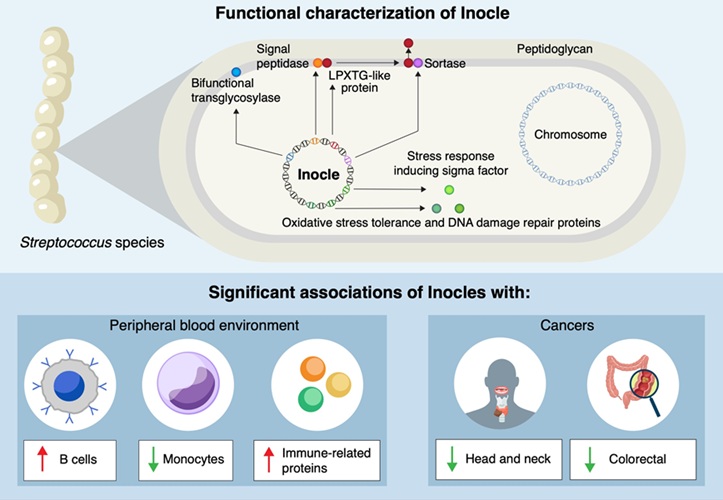
The study, published in Nature Communications, showed that Inocles are hosted by the oral bacterium Streptococcus salivarius. With an average genome size of 350 kilobase pairs, Inocles are far larger than plasmids, which usually measure only a few tens of kilobase pairs. Their length allows them to carry genes for oxidative stress resistance, DNA repair, and cell wall functions, equipping bacteria to adapt more effectively to the oral environment.
The research team aims to develop methods for culturing Inocle-containing bacteria to better understand their roles and ability to spread between individuals. Early evidence suggests Inocles may shape oral health outcomes, influencing conditions such as cavities and gum disease. They could even serve as markers for serious illnesses like cancer, highlighting their potential as valuable tools in microbiome and disease research.
“What’s remarkable is that, given the range of the human population the saliva samples represent, we think 74% of all human beings may possess Inocles. And even though the oral microbiome has long been studied, Inocles remained hidden all this time because of technological limitations,” said Yuya Kiguchi, Project Research Associate at the University of Tokyo. “Now that we know they exist, we can begin to explore how they shape the relationship between humans, their resident microbes and our oral health. And there’s even some hints that Inocles might serve as markers for serious diseases like cancer.”
Related Links:
University of Tokyo