Cerebrospinal Fluid Test Accurately Detects Brain Cancer
Posted on 29 Aug 2025
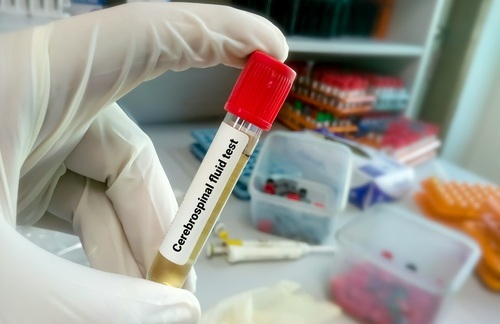
Brain cancer remains one of the most difficult diseases to diagnose accurately and early, as many patients face invasive procedures such as biopsies to confirm a diagnosis. Existing methods often fail to provide timely clarity, especially when imaging or cytology is inconclusive, delaying treatment and increasing risk. A new test now offers a way to detect brain cancers with high specificity using only small samples of cerebrospinal fluid (CSF).
Researchers at Johns Hopkins Medicine (Baltimore, MD, USA) have developed CSF-BAM, a multi-analyte test that combines several biological markers to improve diagnostic accuracy. The test measures chromosomal abnormalities, tumor-specific mutations, and T and B cell receptor sequences in cerebrospinal fluid. By integrating tumor-derived DNA with immune cell signatures, the tool provides both cancer detection and insights into the immune environment of the brain.
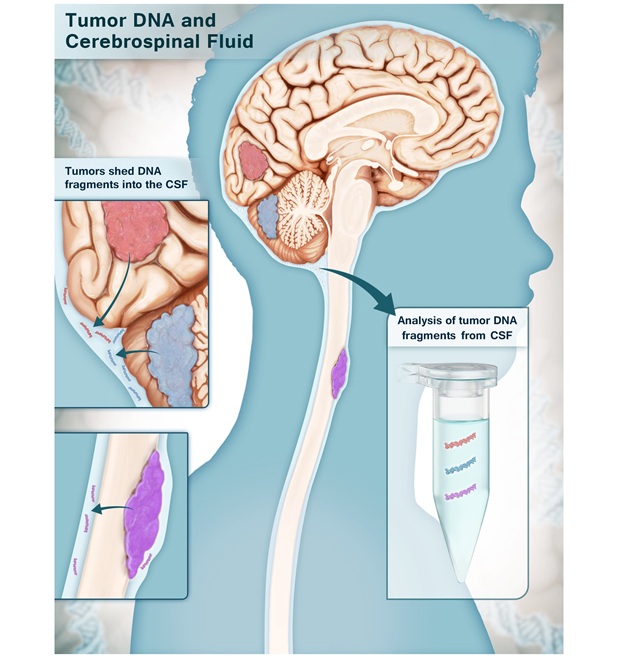
In a study analyzing 206 cerebrospinal fluid samples from patients with high-grade gliomas, medulloblastomas, metastases, and central nervous system lymphomas, CSF-BAM identified cancers with more than 80% sensitivity and 100% specificity. The absence of false positives among noncancer cases highlights its clinical reliability.
The findings, published in Cancer Discovery, show that the assay also distinguished immune cell populations between cancer and noncancer cases, adding valuable biological context. This ability could help clinicians better understand disease progression and immune response, improving decision-making in challenging diagnostic scenarios. The test outperformed single-marker approaches, demonstrating the power of combining multiple analytes for clinical use.
Researchers believe the tool could be particularly useful when obtaining tissue samples is risky or impossible. Its potential as a noninvasive diagnostic could reduce reliance on biopsies, streamline patient care, and expand options for those with central nervous system tumors. The team is exploring broader applications to ensure it can support tailored treatment strategies in future clinical settings.
“Many patients with brain lesions face invasive diagnostic procedures to confirm a cancer diagnosis,” says Christopher Douville, M.D., assistant professor of oncology and a senior study author. “A tool like this could help us make better-informed decisions about who really needs a biopsy and who doesn’t.”
Related Links:
Johns Hopkins Medicine