Crucial Biomarker Discovery to Enable Early Diagnosis of Chronic Renal Failure
Posted on 28 May 2025
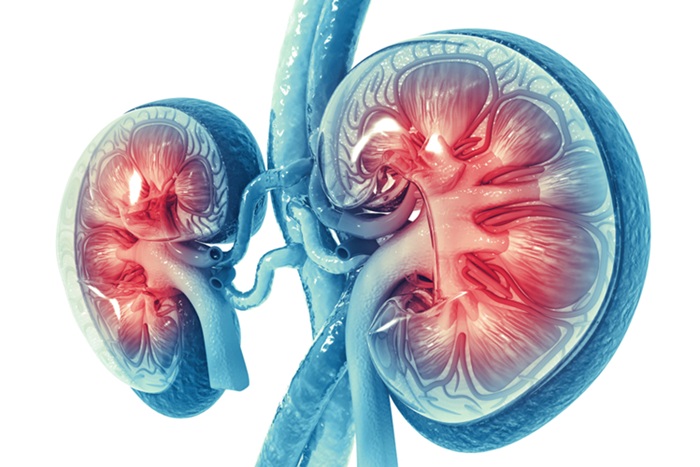
Millions of tiny blood vessels, known as peritubular capillaries, play a crucial role in kidney function by filtering waste from the blood and supplying oxygen and nutrients to the organ. Kidney injuries, which occur when blood flow is temporarily interrupted and then restored, can lead to a loss of these essential blood vessels, significantly impairing kidney function. The reduction in peritubular capillaries is a definitive marker of chronic renal failure, a condition that affects millions globally. Until now, no reliable biomarker has been available to assess the health of these capillaries or to create targeted strategies to preserve kidney function. In a groundbreaking discovery, scientists have identified a specific microRNA that can protect small blood vessels and support kidney function following severe injury. This breakthrough has the potential to revolutionize early diagnosis and the prevention of kidney disease.
The research team at the University of Montreal Hospital Research Centre (CRCHUM, Montreal, Canada) found that the miR-423-5p microRNA could serve as a promising biomarker in the blood to predict the health of kidney microvasculature. They first observed fluctuating levels of miR-423-5p microRNA in the blood of mice with acute kidney injuries. These findings were confirmed in 51 transplant recipients who participated in the CHUM kidney transplant biobank. In a study published in JCI Insight, the team demonstrated how the biomarker could be used to assess the effects of interventions on the health of small blood vessels. By utilizing this biomarker, it is now possible to develop a test that can detect microvascular health much earlier, enabling healthcare providers to evaluate high-risk patients more effectively. This includes elderly patients or those undergoing surgeries that temporarily halt blood flow, such as organ transplants or cardiovascular procedures.
Furthermore, the researchers discovered that by injecting miR-423-5p microRNA into mice with kidney injuries, they were able to protect the small blood vessels and limit kidney damage. While directly injecting the microRNA into the kidney is a feasible approach during transplant procedures, the team is now focusing on exploring alternative methods to deliver the microRNA, or possibly a combination of microRNAs, to the kidney. In terms of prevention, a test based on the miR-423-5p microRNA could be beneficial for patients with conditions such as heart failure, lung failure, or specific neurodegenerative diseases. The researchers also suggest that the CHUM’s biobank of biological materials could be used to investigate whether existing medications, taken after a kidney transplant to treat other issues, affect the health of small blood vessels.





.jpg)