Groundbreaking pTau217 Blood Test as Accurate as Brain Imaging or CSF Testing in Diagnosing Alzheimer's
Posted on 21 Mar 2024

Alzheimer’s disease (AD) is a neurodegenerative condition that causes the brain to deteriorate over time, marked by the buildup of certain harmful proteins that eventually lead to a decline in brain function and cell death. These changes can happen long before any symptoms show up. Scientists have found certain proteins in the cerebrospinal fluid that are good indicators of AD. One of the most promising markers for early and more precise detection of AD in the blood is phosphorylated tau at position 217 (pTau217). It's seen as a game-changer for diagnosing AD sooner, categorizing patients for research studies, and improving how patients are cared for and treated. Now, an innovative and novel blood test can be used in the screening, diagnosis, and monitoring of AD based on the circulating level of this promising biomarker pTau217.
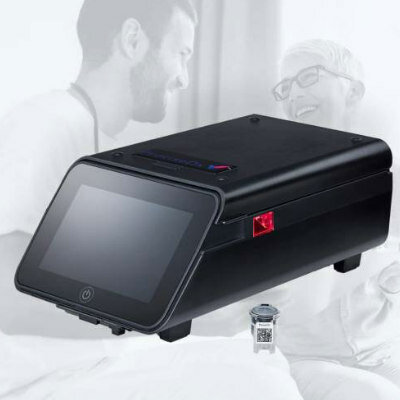
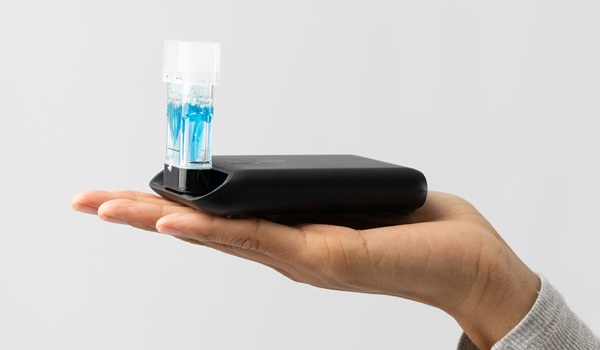
ALZpath Dx (Carlsbad, CA, USA) has developed a robust and scalable plasma-based ultra-sensitive assay, branded ALZpathDx, utilizing a proprietary monoclonal pTau217 antibody and peptide calibrator. This blood-based ELISA assay has been developed on the semi-automated single-molecule array (Simoa) platform. ALZpathDx measures pTau217 in blood, which can signal amyloid and tau accumulation in the brain years prior to the onset of cognitive symptoms. ALZpathDx also correlates strongly with prior diagnostic methods, including positron emission tomography (PET) imaging, the current gold standard diagnostic technique. Additionally, this blood-based test is as accurate as brain imaging or CSF testing but is faster, more accessible, less expensive, and less invasive, and it does not require radiation exposure.
An international peer-reviewed study evaluating the performance of its ALZpath Dx assay in a 786-patient study found that the ultra-sensitive immunoassay showed high diagnostic accuracy in identifying elevated amyloid in the brain across all cohorts. The accuracy was significantly higher than other blood-based biomarker combinations and equivalent to cerebrospinal fluid (spinal tap) biomarkers. It demonstrated high accuracy in predicting AD brain pathologies (amyloid-beta plaques and tau tangles) as identified by PET imaging. The validation study used over 1,700 samples with amyloid PET imaging and 150 subjects with post-mortem (autopsy) pathology, demonstrating an area under the curve (AUC) of 0.94, significantly exceeding the 90% accuracy threshold for a standalone diagnostic AD test proposed by the Alzheimer's Association Workgroup.