


Potential Molecular Biomarker Identified for Sepsis
By LabMedica International staff writers
Posted on 28 Oct 2013
A biomarker or biological footprint for sepsis that could form the basis of a rapid bedside blood test that returns results within two hours has been revealed. Posted on 28 Oct 2013
Sepsis is a common cause of death in the intensive care unit with mortality up to 70% when accompanied by multiple organ dysfunction and therefore rapid diagnosis and the use of appropriate antibiotic therapy and pressor support are therefore critical for survival.
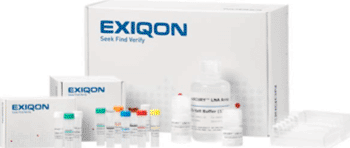
Image: Micro Ribonucleic Acid Analysis Kits (Photo courtesy of Exiqon).
An international team of scientists collaborating with King's College London (London, UK) carried out a clinical study using blood taken from 23 sepsis patients and 22 systemic inflammatory response syndrome (SIRS) patients, together with 21 healthy volunteers. A validation cohort of 1,093 Swedish patients was recruited and a positive blood culture was found in 138 patients.
Massively parallel sequencing of micro ribonucleic acids (MiRNAs) was utilized for screening MiRNA candidates. Putative MiRNAs were validated using quantitative real-time PCR (qRT-PCR). MiRNA levels were detected by qRT-PCR using custom Locked Nucleic Acid (LNA) primers (Exiqon; Vedbaek, Denmark). A panel of known and novel MiRNAs was detectable in the blood of patients with sepsis. After qRT-PCR validation, MiRNA miR-150 and miR-4772-5p-iso were able to discriminate between patients who have systemic inflammatory response syndrome and patients with sepsis. This finding was also validated in the independent cohort with an average diagnostic accuracy of 86%.
Graham M. Lord, MA, MRCP, PhD, a professor of medicine and lead author of the study said, “Sepsis is a hidden killer, causing nearly a third of all hospital deaths. Rapid antibiotic treatment for the condition is vital as every minute counts. Yet current diagnostic methods can take up to two days, so an accurate diagnostic test that can be carried out at the patient's bedside is urgently needed. We have for the first time identified a group of biomarkers in the blood that are good indicators of sepsis. We have shown that it is possible to detect these markers by screening a patient's blood in the ward, a process which can deliver results within two hours." The study was published on October 16, 2013, in the journal Public Library of Science ONE.
King's College London
Exiqon
Related Links:



Platinum Member

Automated Coagulation Analyzer
Hemolumi H6


All-in-One Molecular System
AIO M160
Gold Member

Neonatal Heel Incision Device
Tenderfoot