Blood Tests Aid Early Diagnosis of Rheumatoid Arthritis
By LabMedica International staff writers
Posted on 15 Apr 2013
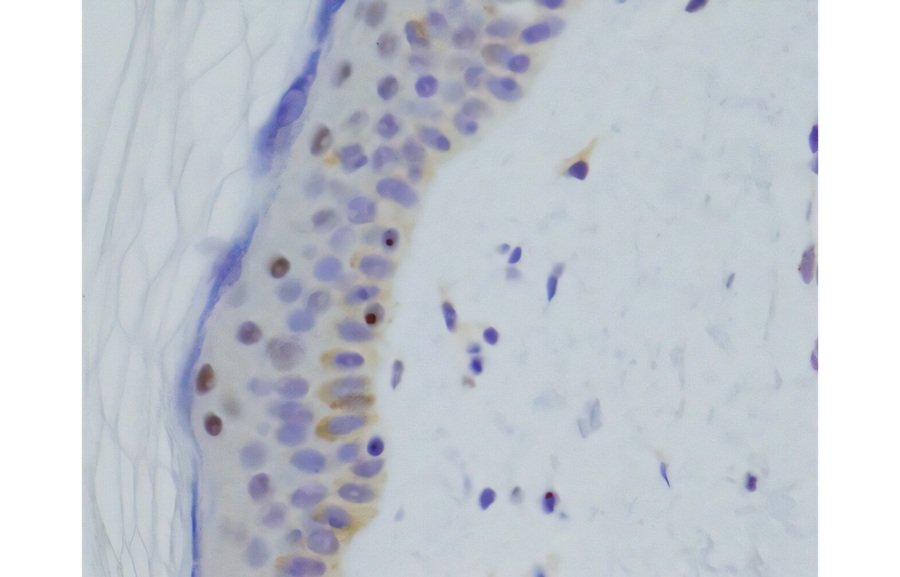
Lab-developed tests (LDT) for rheumatoid arthritis (RA), an autoimmune disorder that can cause debilitating joint damage, are based on a protein biomarker.Posted on 15 Apr 2013
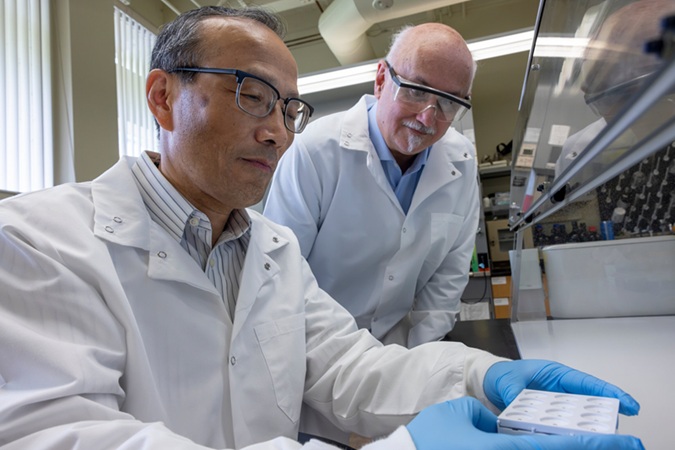
The RA tests were obtained by Quest through an exclusive license agreement for the US market with Augurex Life Sciences (North Vancouver, BC, Canada). Quest Diagnostics' (Madison, NJ, USA) advanced clinical laboratory developed, validated, and currently offers the new RA tests.
"These novel assays have significant potential to help physicians identify early stage RA, when treatment can often arrest further disease progression and disability," said Stanley J. Naides, MD, FACP, FACR, medical director, immunology R&D, Quest Diagnostics. "We believe they are superb examples of the potential of diagnostic insights to promote better outcomes through earlier diagnosis and treatment."
One test provides results of 14-3-3 η blood levels, while a comprehensive panel provides results of blood levels of the novel marker as well as the conventional RA markers cyclic citrullinated peptide (CCP) antibodies and rheumatoid factor (RF). Higher blood levels suggest a greater likelihood of RA.
Physicians can consider results of RF and CCP antibody tests, along with a medical evaluation and X-rays, to diagnose RA. Elevated blood levels of the 14-3-3 η biomarker outperformed conventional RF or CCP antibody testing in a recent study of early RA, being positive in 60%–82% of patients diagnosed with RA compared to RF alone (32%–82%) or CCP antibody alone (44%–82%). The combination of all three markers further increased sensitivity to 72%–100%.
Comorbid conditions, such as type 1 diabetes, osteoporosis, and gout, do not abnormally raise blood levels of 14-3-3 η.
Related Links:
Augurex Life Sciences
Quest Diagnostics




Platinum Member

Automated Coagulation Analyzer
Hemolumi H6
.jpg)
Gold Member

Clinical Chemistry Assay
Sorbitol Dehydrogenase (SDH)
New

Drug Testing Assays
Atellica DT 250 Analyzer
Gold Member

Fully-auto Specific Protein (Nephelometry) Analyzer
PA240