Rare Blood Types Due To Genetic Variation
By LabMedica International staff writers
Posted on 15 Mar 2012
Blood group typing is a routine procedure before blood transfusion, but some blood types, such as Langereis and Junior, are exceedingly rare worldwide.Posted on 15 Mar 2012
While blood transfusion problems due to Langereis and Junior blood types are uncommon, several ethnic populations, such as certain Japanese populations and European Gypsies, are at risk.
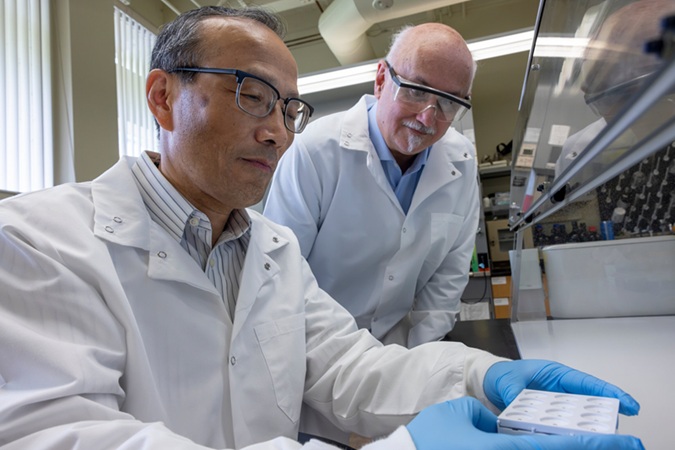
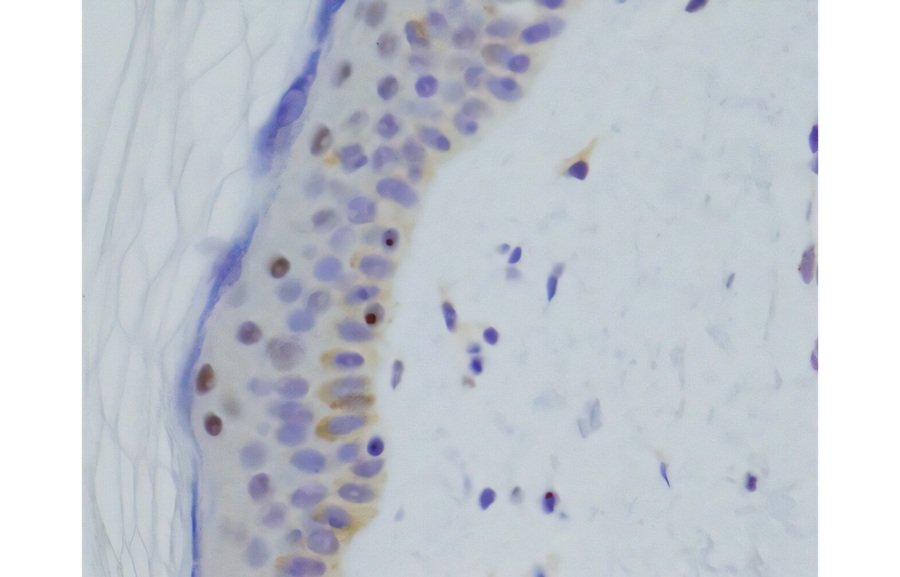
An international team working with the University of Vermont (Burlington, VT, USA) used a multiplicity of analytical techniques including flow cytometry, immunofluorescence microscopy, mass spectrometry, and sequencing to identify the genetic basis of the Langereis blood group.
The scientists identified the human adenosine triphosphate (ATP)-binding cassette (ABC) transporter ABCB6 as the genetic basis of the Langereis blood group antigen expressed on red blood cells, but also at the plasma membrane of hepatocellular carcinoma (HCC) cells, and established that ABCB6 encodes a new blood group system (Langereis, Lan). Targeted sequencing of ABCB6 in 12 unrelated individuals of the Lan(−) blood type identified 10 different ABCB6 null mutations.
A Lan-specific monoclonal antibody has been developed and will greatly facilitate the identification of Lan(−) blood donors. In elucidating the genetic basis of the Lan(−) blood type, the scientists have uncovered ten null mutations of ABCB6. It will be necessary to closely monitor Lan(−) (ABCB6−/−) individuals, especially those treated with drugs potentially transported by ABCB6, because this deficiency may alter the pharmacokinetics of these drugs or result in adverse effects such as hepatotoxity. The authors concluded that transfusion support of individuals with an anti-Lan antibody is highly challenging partly because of the scarcity of compatible blood donors, but mainly because of the lack of reliable reagents for blood screening
Junior-negative blood donors are extremely rare too, but that may soon change. Bryan Ballif, PhD, an assistant professor at the University of Vermont and an author of the study said, "We're following up on more unknown blood types. There are probably on the order of 10 to 15 more of these unknown blood type systems, where we know there is a problem but we don't know what the protein is that is causing the problem. More than 50,000 Japanese are thought to be Junior negative and may encounter blood transfusion problems or mother-fetus incompatibility."
The study was published in the February 2012 issue of Nature Genetics.
Related Links:
University of Vermont




Platinum Member

Automated Coagulation Analyzer
Hemolumi H6

Gold Member

Aspiration System
VACUSAFE

CMV CLIA Diagnostic
CLIA CMV IgA Screen Group


Thyroid Test
Anti-Thyroid EIA Test