Diagnostic Test for AD Based on Peripheral Biochemical Marker
By LabMedica International staff writers
Posted on 06 Oct 2011
A straightforward and economic diagnostic test for Alzheimer’s disease is based on a peripheral biochemical marker. Posted on 06 Oct 2011
Using a peptide fluorescent probe the test identifies the interaction that takes place between a peptide (peptide β-amyloid 1-42) and the red blood cell membranes. This interaction takes place in patients who have Alzheimer’s disease. This test is very specific to the disease as it detects a significant major protein from the time it appears and throughout its evolution.
The test is carried out at an early stage of the disease, meaning that treatment can be initiated and followed through far more efficiently, and also means that patient hospitalization can be delayed. On a longer-term basis, the test could be a useful diagnostic tool and a crucial element of the establishment of a proactive public health policy initiative.
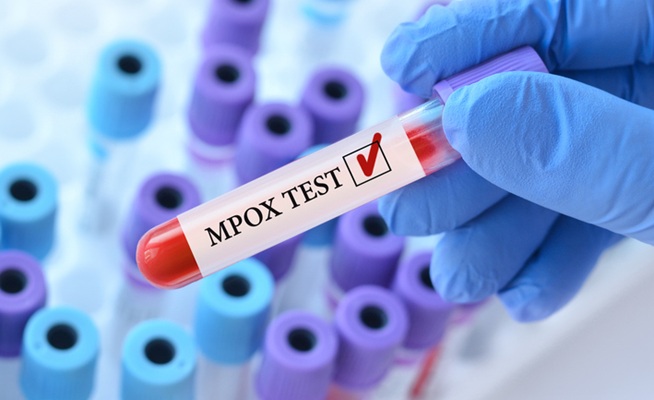
The development of the test was made possible by recent advances in medicine including the discovery of fluorescent probes that can detect proteins that are specific to the disease. Just one drop of blood--100 µL to 200 µL--is enough to carry out an analysis. The blood test has the advantage of being quick, minimally invasive, and cheap.
The IHD-Amy blood test for Alzheimer’s disease was developed by Innovative Health Diagnostics (IHD; Strasbourg, France). The first clinical results indicated that the test demonstrated 83% sensitivity and 82% specificity.
IHD president Xavier Regnaut commented, “The results of our study with IHD-Amy demonstrate that this is one of the best performing tests around, which validates its real potential as a diagnostic aid tool for doctors in the future.” He added, “These first results are very promising, and the clinical development schedule that we are working to should mean that we can confirm these results in the coming months.”
Related Links:
Innovative Health Diagnostics




Platinum Member

Automated Coagulation Analyzer
Hemolumi H6
Gold Member

Electrolyte Analyzer
CBS-4000 (CBS-400)

Hematology Consumables
Bioblood Devices
New

Automated Immunoassay Analyzer
SuperFlex™