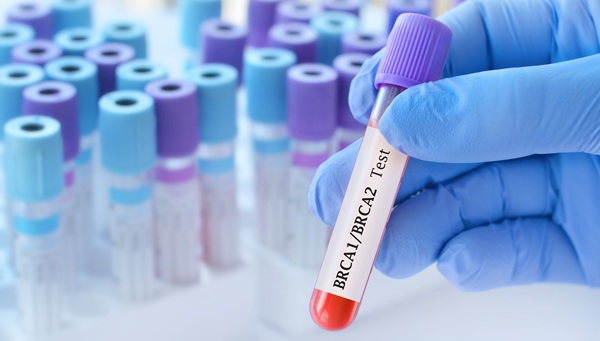
DNA Probes Detect and Monitor Course of Bladder Cancer
By LabMedica International staff writers
Posted on 06 May 2009
An advanced molecular diagnostic test kit uses DNA probes for early detection and monitoring the course of bladder cancer.Posted on 06 May 2009
The probes are designed to detect and identify whether aneuploidy for chromosomes 3, 7, 17, and loss of the p16 locus are present in the human bladder cells. A number of hospitals in China have applied the probe for diagnosing patients with hematuria and have diagnosed patients with early-stage bladder cancer as well as early-stage ureteral cancer, which caused hematuria in these patients.
China Medical Technologies, Inc. (Beijing, China), a medical device company that develops, manufactures, and markets in vitro diagnostic (IVD) products, announced that it has received approval for its bladder cancer fluorescent in situ hybridization (FISH) probe (the "Probe") from the State Food and Drug Administration (SFDA) in the People's Republic of China.
China Medical Technologies develops, manufactures, and markets IVD products using enhanced chemiluminescence (ECLIA) technology, FISH technology, and surface plasmon resonance (SPR) technology to detect and monitor various diseases and disorders.
Related Links:
China Medical Technologies




Platinum Member

Automated Coagulation Analyzer
Hemolumi H6

Gold Member

Flocked Fiber Swabs
Puritan® Patented HydraFlock®

POC Immunoassay Analyzer
Procise DX


Automated Clinical Chemistry Analyzer
Envoy 500+
Latest Molecular Diagnostics News