


First Point-of-Care Active Syphilis Test Detects Four Pathogens in 15 Minutes
Posted on 26 Nov 2026
Syphilis is a sexually transmitted infection caused by Treponema pallidum. U.S. cases have risen substantially since 2000, reaching approximately 190,000 reported cases in 2024, and untreated infection can cause serious complications affecting the brain, nervous system and other organs. Diagnosis can be difficult when sexually transmitted infections cause visually similar lesions. A newly authorized point-of-care test now detects and differentiates four lesion-associated pathogens from one swab in about 15 minutes.
The cobas liat Lesion Panel, developed by Roche, is a molecular test for lesion specimens. It simultaneously detects and differentiates T. pallidum, herpes simplex virus types 1 and 2, and monkeypox virus from a single lesion swab sample. The U.S. Food and Drug Administration (FDA) authorized the test under an emergency use authorization on November 20, making it the first point-of-care direct detection test to differentiate lesions caused by sexually transmitted infections.
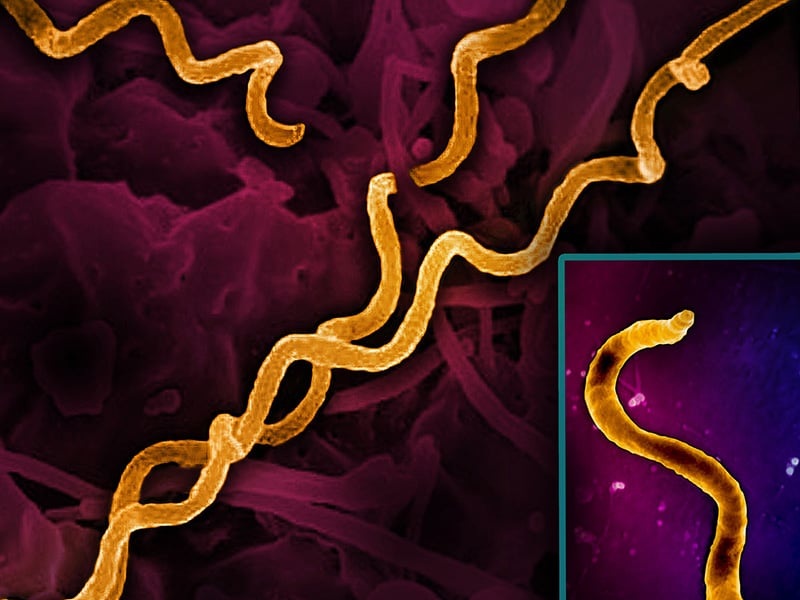
Current syphilis diagnosis relies primarily on blood-based serological tests that detect antibodies, which can reflect infections that were successfully treated and may be less sensitive during early infection. Diagnosis of herpes simplex virus types 1 and 2 also relies on a laboratory Western blot test that is not returned within a typical patient appointment. The new panel uses molecular technology to detect pathogens directly in lesion specimens, helping identify active infection when lesions are present and supporting pathogen-specific treatment during the same visit.
The test was evaluated by National Institute of Health’s (NIH) Rapid Acceleration of Diagnostics (RADx) Tech Independent Test Assessment Program, which supports validation and clinical evaluation of diagnostic tests to help speed FDA review. The newly developed test performed comparably to accepted diagnostic methods for each of three targets, while no FDA-cleared or FDA-authorized molecular diagnostic test was available as a comparator for detecting T. pallidum in lesion specimens.
The panel is intended for use in health clinics, primary care offices, emergency departments, urgent care clinics and public health facilities, and it is expected to become available in the United States in the coming months. The emergency use authorization permits use under FDA-specified conditions in an actual or potential emergency and is not equivalent to FDA clearance or approval.
“This authorization illustrates how collaboration can help address diagnostic challenges. By bringing distinct expertise to address a shared challenge, government, industry, and independent laboratories worked together to generate the clinical evidence needed to support FDA’s review. This point-of-care test brings care closer to the people who need it most,” said Michelle Tarver, M.D, Ph.D., Director of FDA’s Center for Devices and Radiological Health.
Related Links
NIH