FDA Breakthrough-Designated Urine Panel Aims to Shorten Pathogen and Susceptibility Testing
Posted on 22 Sep 2026
Urinary tract infections are among the most common bacterial infections and a major driver of antibiotic prescribing, yet culture-based workflows can take days to produce results. Treatment often begins empirically, even though many urine cultures ultimately return negative, potentially leading to unnecessary therapy or delays in appropriate treatment. A new direct-from-specimen urine identification and antimicrobial susceptibility testing panel has received U.S. Food and Drug Administration (FDA) Breakthrough Device Designation to support same-day phenotypic results.
Pattern Bioscience’s (Austin, TX, USA) Urine Identification/Antimicrobial Susceptibility Testing (ID/AST) Panel is the company’s second assay to achieve this status following its Pneumonia ID/AST Panel. The recognition advances development of a menu of rapid, direct‑from‑specimen assays on the company’s single‑cell microbiology platform. The panel is intended to deliver the core answers laboratories and clinicians require from culture: the causative organism and the antibiotics that will treat it.
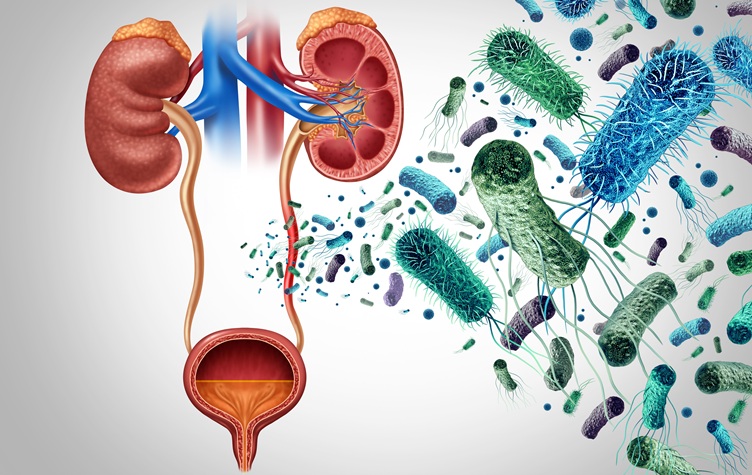
The Urine ID/AST Panel detects, identifies, quantifies, and provides same‑day phenotypic antimicrobial susceptibility results directly from urine specimens. It runs on the same single‑cell microbiology platform as the company’s pneumonia assay, described as the first and only direct‑from‑specimen platform designed to provide these results in hours rather than the days conventional culture requires. The approach is designed to consolidate multiple legacy workflow steps into a single shift.
Under the FDA’s Breakthrough Devices Program, technologies that may provide more effective diagnosis or treatment for life-threatening or irreversibly debilitating conditions can receive prioritized development and review. Breakthrough Device Designation does not constitute FDA clearance or approval, and the Urine ID/AST Panel is not yet commercially available.
“Urine is the highest-volume specimen type in nearly every clinical microbiology laboratory, and the conventional workflow hasn’t fundamentally changed in decades: culture overnight, identify, then set up susceptibility testing and wait again. A direct-from-specimen result would compress two to three days into a single shift. This has the potential to impact what the lab can offer the clinicians and patients that it serves,” said Sarah E. Turbett, M.D., the Director for Antimicrobial Stewardship and a clinical microbiologist at Mass General Brigham in Boston, MA.
Related Links
Pattern Bioscience