FDA Clears Molecular Test for Bacterial Vaginosis and Candida Vaginitis
Posted on 29 Jul 2026
Vaginitis is a common reason for clinical visits, with bacterial vaginosis and Candida vaginitis among the leading causes. Overlapping symptoms and reliance on microscopy, pH testing, and clinical observation contribute to frequent misdiagnosis. A newly FDA-cleared molecular test now detects organisms associated with both conditions from a single vaginal swab to support faster, more accurate diagnosis.
Roche has received U.S. Food and Drug Administration (FDA) 510(k) clearance for the cobas BV/CV (Bacterial vaginosis/Candida vaginitis) assay. The in vitro diagnostic test provides results for both conditions from one clinician-collected vaginal swab or one self-collected vaginal swab obtained under clinician instruction and is intended for professional laboratory use based on a clinician’s order. The assay broadens the sexual-health testing menu available on the high-throughput cobas 6800/8800 systems, enabling a wider range of testing from a single patient sample.
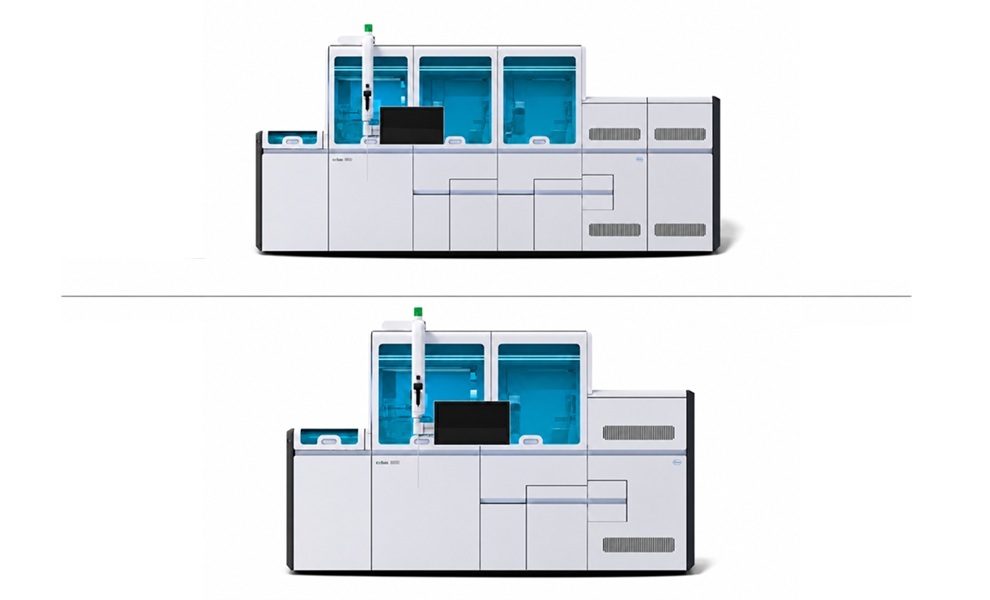
The cobas BV/CV assay uses real-time PCR to detect DNA targets associated with bacterial vaginosis, including Gardnerella vaginalis, Atopobium vaginae, and Lactobacillus species. It also detects Candida species associated with Candida vaginitis, including C. albicans, C. glabrata, C. krusei, C. parapsilosis, C. tropicalis, and C. dubliniensis.
Specimens are collected in cobas PCR Media within a healthcare setting. The test is designed for symptomatic patients and can be run from the same sample used for cobas CT/NG and cobas TV/MG assays, eliminating the need for additional collections for extended sexual-health testing.
The company reports that vaginitis diagnosis has been hindered by imprecise traditional methods, and that the molecular assay can help improve diagnostic accuracy for symptomatic women compared with those approaches. The test is positioned to deliver accurate and timely results that may support improved care pathways and laboratory workflow efficiencies.
The assay’s approach aligns with Centers for Disease Control and Prevention guidance that does not recommend Candida speciation before first-line therapy; additional speciation or susceptibility testing is recommended in cases of persistent or recurrent infection, defined as three or more symptomatic episodes within one year, or when first-line treatment fails.
“Compared to traditional methods, the cobas BV/CV test can help improve diagnostic accuracy for women affected by vaginitis, addressing a critical need in women’s health. By expanding our sexual-health portfolio to include comprehensive results for the most common conditions from a single sample, we can streamline care to help patients receive the right treatment faster,” said Brad Moore, President and CEO of Roche Diagnostics North America.