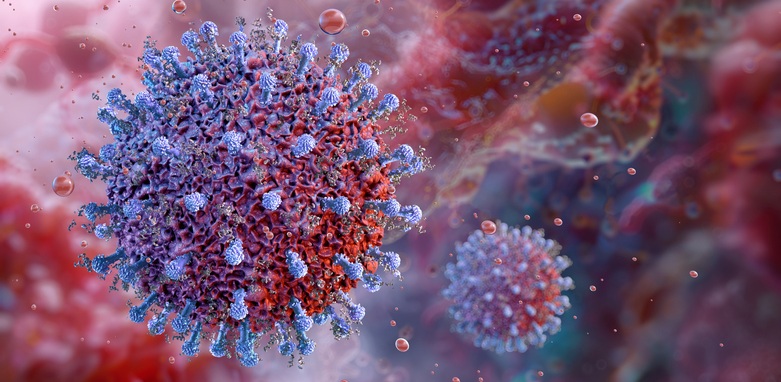
Rapid Detection of Antibiotic Resistance Uses MALDI-TOF MS
By LabMedica International staff writers
Posted on 30 Nov 2017
A universal phenotypic method has been targeted which would allow easy and rapid antimicrobial susceptibility testing independently of underlying resistance mechanism.Posted on 30 Nov 2017
A novel direct-on-target microdroplet growth assay has been developed which can detect antibiotic resistance within a few hours. The assay is based on matrix-assisted laser desorption/ionization time-of-flight mass spectrometry (MALDI-TOF MS).
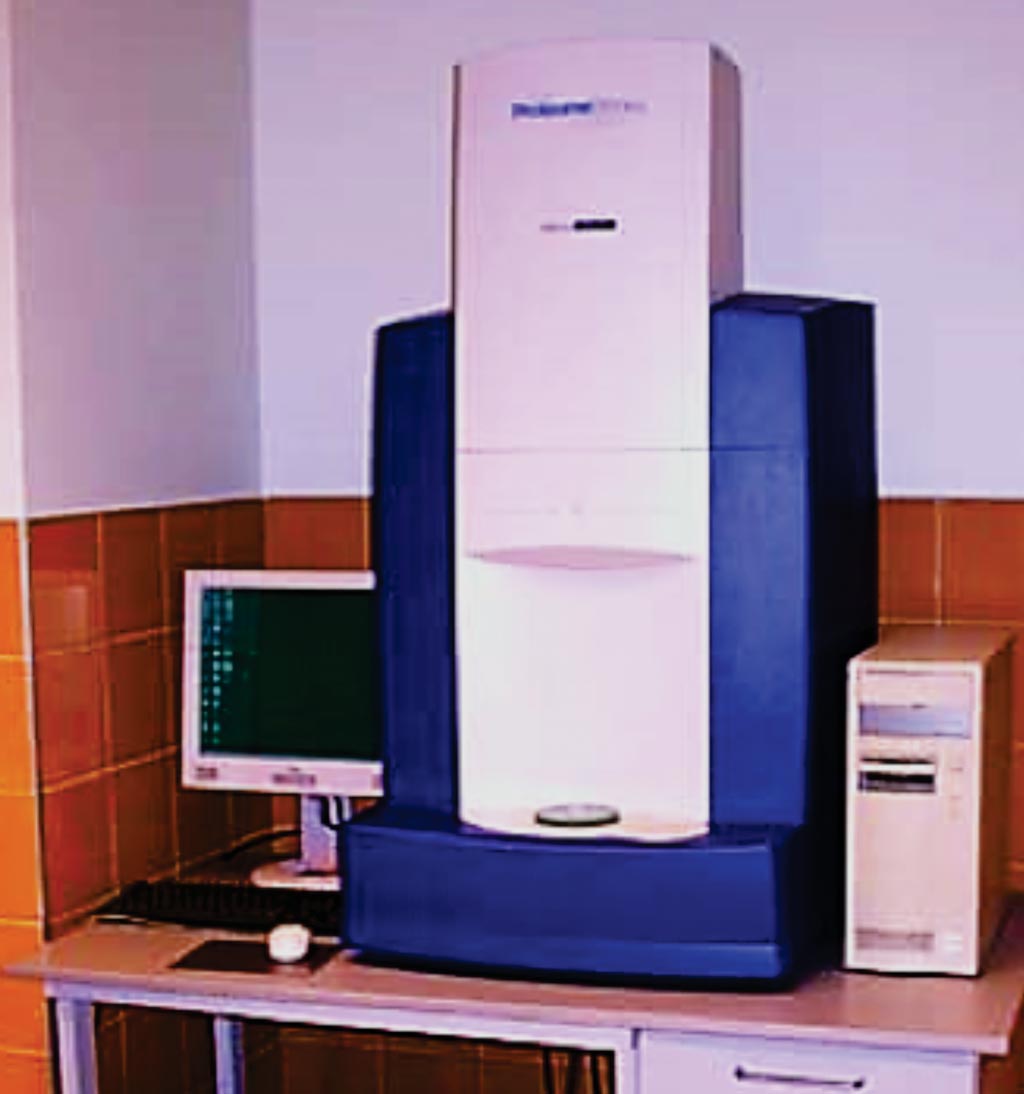
Image: Matrix-assisted laser desorption/ionization time-of-flight mass spectrometry apparatus (Photo courtesy of Maciej Kotlinski).
Scientists at the University Hospital Münster (Germany) incubated microorganisms with and without meropenem in nutrient broth as microdroplets directly on MALDI-TOF MS target. Subsequently, broth was separated from microbial cells by contacting the microdroplets with an absorptive material. The microorganisms grown in the presence of antibiotic were detected by MALDI-TOF MS. 24 Klebsiella pneumoniae and 24 Pseudomonas aeruginosa isolates were used to assess performance for detection of meropenem resistance. The microdroplet volumes investigated were 2, 4, 6, 8 and 10 μL.
The investigators reported that the best performance was achieved using 6 μL microdroplets. Applying this volume, all growth controls were successfully detected (definition of valid test), and all isolates were correctly categorized as susceptible or non-susceptible after 18-hours incubation. For K. pneumoniae, rate of valid tests, sensitivity and specificity reached all 100 % after 4-hours incubation of 6μL microdroplets. Using the same microdroplet volume for P. aeruginosa, incubation for five hours resulted in 83.3% of valid tests with 100% sensitivity and 100% specificity.
The authors concluded that they had demonstrated easy, rapid and accurate resistance detection using carbapenem-resistant Gram-negative bacteria as example. The technology is suitable for automatization and expandable to further applications, for example simultaneous testing of multiple antibiotics as well as resistance determination directly from clinical samples. The study was published on October 25, 2017, in the journal Clinical Microbiology and Infection.
Related Links:
University Hospital Münster




Platinum Member

Automated Coagulation Analyzer
Hemolumi H6

Gold Member

Flocked Fiber Swabs
Puritan® Patented HydraFlock®
New

Fully Automated Urinalysis System
DxU 1800 Fully Automated Urinalysis System
New

Nucleic Acid Purification Instrument
QIAsymphony Connect