Lysosomal Gene Defect Linked to Severe Childhood Brain Disorders
Posted on 26 May 2026
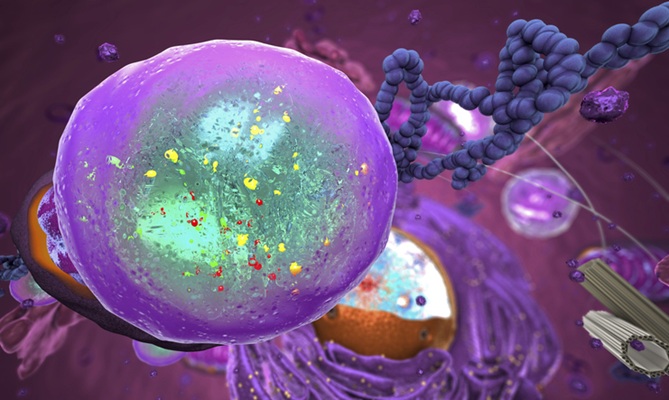
Severe pediatric neurodevelopmental and neurodegenerative disorders can range from fatal prenatal syndromes to progressive disease in childhood, yet many cases remain unexplained. Lysosomes, which break down and recycle cellular waste, are especially important in neurons because these cells depend on long-distance axonal transport to maintain normal function. However, the genetic and biological basis of these disorders can be difficult to identify across affected families. A new study shows that genetic variants are responsible for a previously unrecognized spectrum of severe neurological disease linked to lysosomal dysfunction.
Northwestern University (Evanston, IL, USA) investigators and international collaborators identified BORCS5 as the disease gene through genetic sequencing of multiple unrelated families whose children had severe, unexplained neurodevelopmental or neurodegenerative conditions. Within cells, BORCS5 regulates lysosomes, organelles essential for waste degradation, and the study connects its dysfunction to human disease. Teams working across the United Kingdom, Spain, Oman, and Egypt independently converged on BORCS5 in affected families.
Across nine families, the researchers identified 16 patients harboring mutations affecting both copies of BORCS5. Disease severity tracked with mutation type: variants that eliminate BORCS5 protein led to the most devastating prenatal outcomes characterized by brain malformations, abnormal fetal movements, and neuroaxonal dystrophy. Partially functioning mutations produced chronic but progressive neurological disease with epilepsy, movement abnormalities, intellectual disability, and loss of developmental milestones; some individuals can survive into adulthood but with profound disability.
Neuroimaging in affected patients showed hypomyelination, corpus callosum structural defects, and progressive brain atrophy. In mechanistic studies, zebrafish engineered to lack borcs5 developed smaller brains, motor impairment, and heightened seizure susceptibility, mirroring human phenotypes. Experiments in human neurons derived from stem cells revealed that severe mutations caused lysosomes to abnormally cluster and fail to move along axons, whereas milder mutations spared axonal distribution but impaired lysosomal function. The gene also maintains the activity of key lysosomal enzymes required for waste breakdown, and reduced enzyme activity was observed in both severe and milder cases, helping to explain the broad clinical spectrum.
The work, published in the Journal of Clinical Investigation, links BORCS5 to lysosomal pathways that have been implicated in Parkinson’s disease and other neurodegenerative conditions. The authors note that the findings may provide answers for families whose children have unexplained epileptic encephalopathy or early-onset movement disorders.
“Through genetic sequencing of multiple unrelated families whose children presented with severe, unexplained neurodevelopmental or neurodegenerative conditions, several teams across multiple countries, from the UK to Spain to Oman to Egypt, independently identified mutations in the same gene: BORCS5,” said Niccolo Mencacci, MD, Ph.D., assistant professor in the Ken and Ruth Davee Department of Neurology's Division of Movement Disorders and first author of the study.
“Many children with unexplained epileptic encephalopathy or early-onset movement disorders may have BORCS5 mutations, simply because the gene wasn't on anyone's radar before this study,” said Mencacci.
Related Links
Northwestern Feinberg School of Medicine