Blood-Based Method Offers a New Window Into Heart Muscle Health
Posted on 24 Nov 2026
Monitoring cardiovascular disease remains challenging because directly sampling heart tissue is invasive and often impractical. Molecular changes in cardiomyocytes may occur during heart failure, heart attack, or surgical stress, but detecting these changes noninvasively remains difficult. Blood-based methods that capture heart-derived material could provide valuable insights into cardiac health without requiring a biopsy.
Researchers from the Mass General Brigham Heart and Vascular Institute co-led a study investigating cardiomyocyte-derived circulating extracellular vesicles, also known as cardiovesicles. These membrane-bound particles are released by heart muscle cells and carry molecular cargo, including proteins, metabolites, and RNA transcripts that reflect gene expression. The researchers developed a method that uses cardiomyocyte-associated surface markers to identify and isolate these vesicles from the bloodstream, providing access to molecular information from heart tissue without requiring a biopsy.
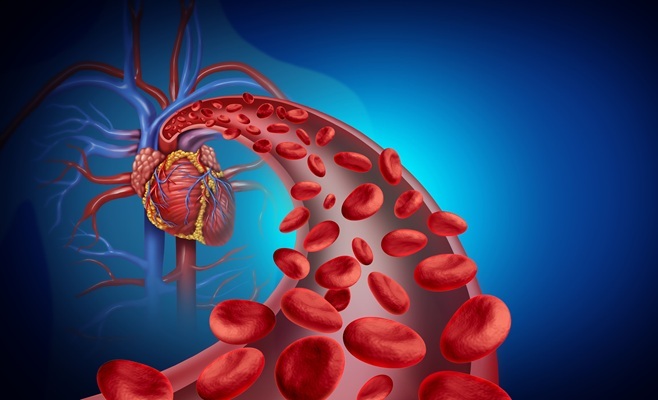
To isolate cardiovesicles, the researchers identified two surface markers, POPDC2 and CHRNE, associated with heart muscle cells. Using antibodies targeting these markers, they captured cardiovesicles from blood samples and analyzed their RNA content. In patients with heart failure or a history of heart attack, the RNA transcripts carried by these vesicles reflected known patterns associated with cardiovascular disease.
The team also examined cardiovesicles collected during and after cardiopulmonary bypass surgery, revealing dynamic changes in cardiomyocyte stress responses over time. In selected patients with different heart conditions for whom biopsy tissue was available, cardiovesicle RNA profiles reflected differences observed in the heart tissue, further supporting their potential as a noninvasive source of cardiac molecular information.
The findings were published in Cell in a study titled “Cardiomyocyte-derived circulating extracellular vesicles enable a non-invasive liquid biopsy of human myocardium.” The research suggests that cardiovesicle analysis could provide a new approach to monitoring heart health and detecting cardiovascular disease.
Future prospective studies will investigate whether cardiovesicle RNA profiles can track treatment response, distinguish cardiovascular disease subtypes, or predict disease progression. The researchers also suggest that similar techniques could be adapted to study other organs that are difficult to access through conventional tissue sampling.
Related Links
Mass General Brigham Heart and Vascular Institute