Protein-Based Classifier Shows Promise for Predicting Melanoma Treatment Outcomes
Posted on 19 Nov 2026
Immune checkpoint inhibitors have improved melanoma treatment and extended survival over the past 15 years. However, many patients do not respond, and reliable biomarkers for predicting treatment response remain limited. Identifying those most likely to benefit could guide treatment decisions and avoid delays in alternative therapies. New research suggests that protein-based tumor signatures may help predict immunotherapy response and survival in melanoma patients.
Researchers at the University of Pittsburgh developed a molecular atlas of melanoma and a protein-based classification method to predict response to immunotherapy. The research focused on the proteome, the complete set of proteins expressed in a tissue or organism, to better understand how molecular characteristics of melanoma tumors influence treatment outcomes. By linking tumor protein patterns with treatment sensitivity and resistance, the approach aims to identify patients most likely to benefit from immunotherapy before treatment begins.
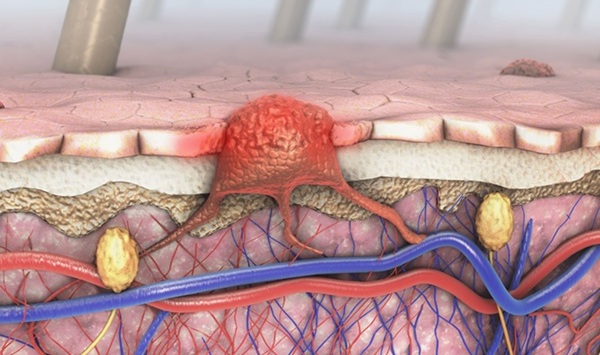
In a study published in Cancer Discovery, researchers analyzed pretreatment melanoma tumors from 183 patients using a comprehensive multi-omics approach. The analysis examined 13 molecular layers, including the genome, proteome, and metabolome, to investigate the biological mechanisms underlying melanoma progression and treatment response. The team identified chemical modifications to proteins associated with patient survival, along with hundreds of potential molecular targets for further investigation.
A companion study published in Clinical Cancer Research analyzed 208 melanoma tumor samples collected before immunotherapy through an international collaboration involving all National Cancer Institute-funded Melanoma Specialized Programs of Research Excellence programs. Using protein expression patterns, researchers identified three distinct melanoma subtypes: an immune-rich group, a group characterized by increased cell proliferation, and a group exhibiting molecular features associated with tumor growth and metastasis. These classifications revealed biological differences that could help explain variations in immunotherapy response.
The three protein-based subtypes showed distinct associations with treatment outcomes, with the immune-rich group demonstrating the strongest response to immunotherapy. Among patients receiving combination immunotherapy, the subtypes were also associated with differences in disease progression and survival. Building on these findings, researchers developed a classifier that uses protein patterns to assign tumors to one of the three groups. The model was independently validated in two patient cohorts, where it predicted treatment response categories and progression-free survival with a high degree of certainty.
The research involved collaborations among the University of Pittsburgh, UPMC Hillman Cancer Center, Icahn School of Medicine, Fred Hutchinson Cancer Center, University of Michigan, and Pacific Northwest National Laboratory. Together, the studies highlight the potential of comprehensive molecular profiling and protein-based classification to improve immunotherapy response prediction and support more personalized treatment strategies for patients with melanoma.
Further validation is needed, but the findings lay groundwork for more personalized immunotherapy selection based on likely responsiveness and prognosis before treatment starts.
“We currently lack robust biomarkers to predict which patients will derive benefit from combination immunotherapy. A proteomic biomarker could identify tumors most likely to respond, providing the foundation for a clinical assay to guide treatment selection. Once translated into a validated clinical assay, the biomarker could allow pathology laboratories across the country, from Pittsburgh to Palm Beach, to help determine whether a patient is likely to benefit from treatment,” said Diwakar Davar, M.D., associate professor of medicine at Pitt and co-leader of the Cancer Immunology and Immunotherapy Program at UPMC Hillman Cancer Center.
Related Links
University of Pittsburgh
UPMC Hillman Cancer Center