Liquid Biopsy Gains FDA Approval to Guide Breast Cancer Combination Therapy
Posted on 19 Nov 2026
Estrogen receptor (ER)-positive, human epidermal growth factor receptor 2 (HER2)-negative breast cancer accounts for approximately 70% of cases. Acquired ESR1 mutations can cause resistance to endocrine therapies, particularly after cyclin-dependent kinase inhibitor treatment, increasing the risk of progression. A newly approved liquid biopsy companion diagnostic helps identify patients with ESR1-mutated advanced breast cancer who may benefit from an estrogen receptor antagonist combined with everolimus.
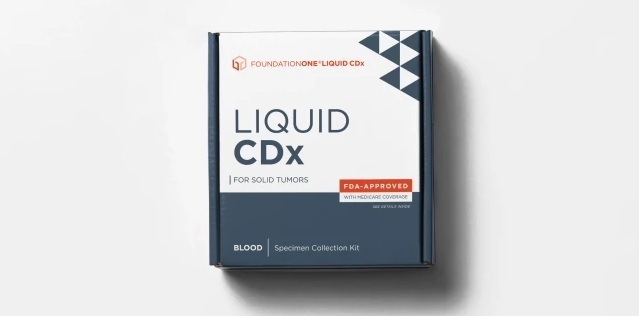
Foundation Medicine has received U.S. Food and Drug Administration (FDA) approval for FoundationOne Liquid CDx as a companion diagnostic for Wilserdly (giredestrant) in combination with everolimus. The liquid biopsy test is the first FDA-approved companion diagnostic to identify patients eligible for this combination and is covered by Medicare for patients with advanced cancer.
Wilserdly, in combination with everolimus, is indicated for adults with estrogen receptor (ER)-positive, human epidermal growth factor receptor 2 (HER2)-negative, ESR1-mutated locally advanced or metastatic breast cancer following recurrence during or after endocrine-based adjuvant therapy, or progression on at least one endocrine-based treatment in the metastatic setting.
FoundationOne Liquid CDx is an FDA-approved, next-generation sequencing (NGS)-based in vitro diagnostic test that analyzes circulating cell-free DNA from patients with advanced solid tumors. The assay profiles 324 genes and is approved to report short variants in 311 genes, rearrangements in eight genes, and copy number alterations in three genes. It also serves as a companion diagnostic for identifying patients who may benefit from specific targeted therapies in accordance with FDA-approved drug labeling.
With this latest approval, Foundation Medicine now has nine FDA-approved companion diagnostic indications in breast cancer and more than 100 indications overall. The company offers both tissue- and liquid-based comprehensive genomic profiling tests to support precision oncology. Although the assays may report additional genomic findings, these results are not necessarily predictive of response to specific therapies, and testing does not guarantee that a patient will be matched to an approved treatment.
Importantly, a negative FoundationOne Liquid CDx result does not exclude the presence of a clinically relevant alteration. Patients testing negative for companion diagnostic mutations should undergo confirmatory tumor tissue testing using an FDA-approved assay when feasible. For certain approved indications involving Rozlytrek or Tepmetko, plasma-based testing is recommended only when tumor tissue is unavailable.
“Breast cancer can mutate and become resistant to early treatments, making biomarker testing at recurrence critical,” said Vera Grossmann, interim chief executive officer and chief operating officer at Foundation Medicine. “FoundationOne Liquid CDx has the sensitivity necessary to detect ESR1, helping identify patients who may benefit the most from Genentech’s next-generation SERD combination therapy.”
Related Links
Foundation Medicine