Survey Finds Gap Between Food Allergy Testing Awareness and Clinical Practice
Posted on 17 Nov 2026
Food allergy evaluation can be challenging when laboratory results do not match clinical symptoms. Broad food allergy panels may detect sensitization without confirming an actual allergy, potentially leading to unnecessary dietary restrictions, additional costs, and stress for families. Despite these limitations, new findings suggest that many clinicians continue ordering these panels even when they recognize the risk of false-positive results.
Research presented at the American College of Allergy, Asthma and Immunology (ACAAI) 2026 Annual Scientific Meeting examined clinician use of broad food allergy panels. These commercially available blood tests measure immunoglobulin E (IgE) antibodies against multiple foods simultaneously. However, positive results may indicate sensitization rather than a clinically confirmed food allergy, potentially leading to unnecessary dietary restrictions.
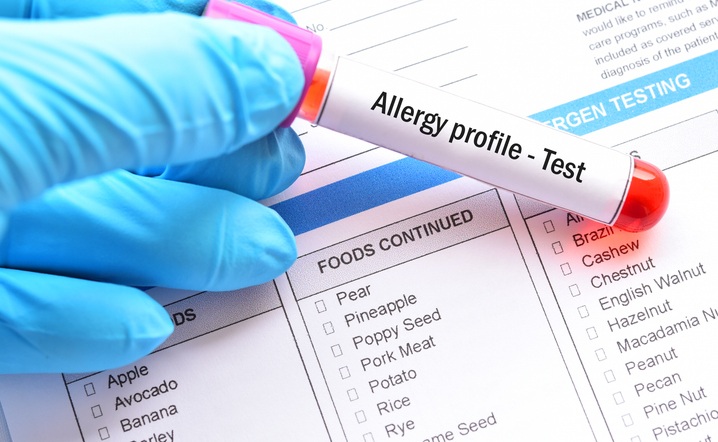
The study, published in Annals of Allergy, Asthma & Immunology, surveyed 300 clinicians who had ordered at least one food allergy panel in 2024. Of these, 43 completed the anonymous survey, with most respondents comprising primary care physicians, nurse practitioners, and physician assistants. Despite 85% acknowledging that these panels frequently produce false-positive results, respondents continued ordering them for conditions such as suspected food allergies, hives, and eczema, sometimes in response to patient or family requests rather than clinical indications.
In a clinical scenario involving a patient with eczema and a family history of food allergy, nurse practitioners and physician assistants were more likely than physicians to consider panel testing appropriate, despite expert recommendations against this approach. The findings highlight a gap between clinician awareness of testing limitations and adherence to recommended practices. The scale of testing was also notable, with more than 1,700 food allergy panels ordered within a single hospital system over one year.
False-positive results can lead families to eliminate foods unnecessarily, potentially restricting children's diets and increasing anxiety, mealtime stress, healthcare visits, and costs. Unnecessary avoidance of certain foods may also increase the risk of developing food allergies. The findings underscore the importance of aligning allergy testing with clinical history and established diagnostic recommendations to reduce inappropriate testing and its consequences.
“Most of the clinicians we surveyed already knew these tests could lead to false-positive results, but many still ordered them despite current guidelines advising against their use. False-positive results can lead families to cut out foods that were never actually unsafe, cause unnecessary stress and add extra costs. In one hospital system alone, more than 1,700 of these panels were ordered in a single year,” said allergist-immunologist Katelyn Wong, M.D., senior author of the study and ACAAI member.
Related Links
American College of Allergy, Asthma and Immunology