Study Finds Urine Biomarker Score Improves Five-Year Cancer Risk Prediction
Posted on 12 Nov 2026
Cancer risk stratification in healthy adults often relies on established factors such as age and smoking history. However, several cancers highlighted in the study, including pancreatic, kidney, and brain cancers and lymphoma, lack population-wide screening programs. A new urine biomarker approach now links a three-glycosaminoglycan profile with improved prediction of cancer risk over five years.
The biomarker approach, known as the GAGome score, was developed by Elypta and is based on a urine profile of three glycosaminoglycan disaccharides. Elypta also sponsored the study. Glycosaminoglycans (GAGs) are sugar chains found in the tissue matrix that are involved in cancer-related biological processes. Researchers measured three chondroitin sulfate disaccharides in 24-hour urine samples using mass spectrometry.
The peer-reviewed study, published in Cancer Epidemiology, Biomarkers & Prevention, included 5,436 adults. Researchers from Lund University, the University of Liverpool, Dana-Farber Cancer Institute, and Elypta analyzed samples from the Dutch Lifelines cohort, which includes 124,436 adults. The retrospective, pre-registered study (NCT05235009) included all 827 participants who were subsequently diagnosed with cancer and a random sample of 4,609 participants who were not.
When combined with established risk factors, the GAGome score classified an estimated 13–23% of participants into a pre-specified high-risk group. This group accounted for 54% of cancers diagnosed within five years and 54% of in situ carcinomas, while approximately 17% of participants who remained cancer-free were also classified as high risk. The score performed at least as well in adults younger than 50 and showed its strongest performance for cancers without population screening programs.
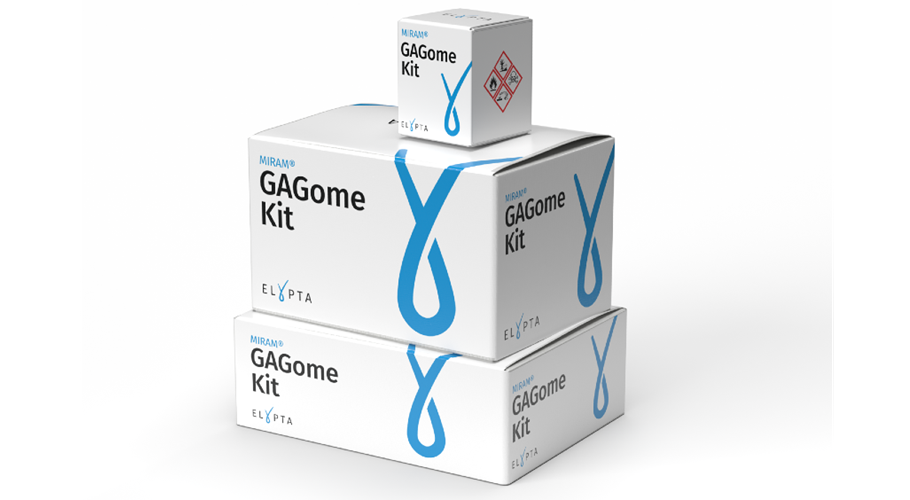
The GAGome score requires independent prospective validation before it can be considered for clinical use. Elypta also offers the MIRAM GAGome Kit for quantification of urine chondroitin sulfate disaccharides (FRUOU-CS) by ultra-high-performance liquid chromatography–tandem mass spectrometry. The kit is intended for Research Use Only and is not for use in diagnostic procedures.
“Today we choose who to screen largely by age and smoking history. This study shows that a biological signal in urine adds information about who is at higher risk of cancer, including at the earliest stages. It uses just three GAGs, so we see it as a proof of concept for our cancer risk program, which builds on broader GAG panels and also plasma,” said Karl Bergman, CEO of Elypta.
“The association was independent of established risk factors and consistent across cancer stages, which makes this dynamic biological marker worth testing prospectively,” said John Field, Professor of Molecular Oncology at the University of Liverpool, co-author of the study.
Related Links
Elypta
University of Liverpool