Routine Opt-Out Screening Helps Increase Detection of Adolescent STIs
Posted on 10 Nov 2026
Chlamydia and gonorrhea are common bacterial sexually transmitted infections that often cause no symptoms. In adolescents, missed screening can delay detection, treatment, and counseling. The gap is important because people ages 15 to 24 account for about half of new sexually transmitted infections in the United States. To help address this challenge, researchers have evaluated a systematic electronic health record-enabled quality improvement initiative that built screening into routine adolescent well visits.
Researchers at Children’s Hospital of Philadelphia (CHOP) implemented the initiative across 33 CHOP Care Network primary care practices. The effort centered on the Adolescent Health Questionnaire, which was developed and piloted by the Possibilities Project at CHOP. The project brings together pediatricians, researchers from Clinical Futures, and technology experts.
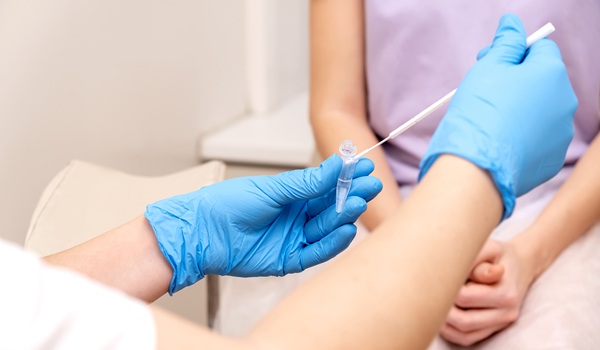
The pre-visit questionnaire is designed to prompt discussion of key adolescent health topics and help identify adolescents who may need additional care. The team paired the questionnaire with electronic health record best practice alerts and prepopulated order sets that outlined next steps based on patient responses. Physicians also received financial incentives tied to improvements in screening rates.
Care teams across the network redesigned adolescent care workflows in stages. Pediatricians, nurse practitioners, nurses, medical assistants, front-desk staff, and other office staff participated in implementing the changes. The final stage introduced universal opt-out screening, in which all eligible adolescents were tested unless they declined, and this step produced the largest gains in screening.
Between 2021 and 2025, chlamydia and gonorrhea screening increased from 25% to 75% among sexually active females and from 20% to 75% among sexually active males. The findings, published in Pediatrics on November 5, 2026, also showed improvements across insurance types and racial and ethnic groups.
As screening became more routine, detection of infections also increased. Among sexually active females, identified chlamydia cases rose from approximately eight per month at the start of the study to approximately 25 per month during the highest-volume testing period. Among sexually active males, the number of cases identified through screening increased from four per month to 16 per month.
“This was a team effort, and the real credit belongs to our primary care teams. Our pediatricians, nurse practitioners and staff took on a new workflow in the middle of busy clinic days and made it routine. Every infection we found reflects the importance of their work,” said Brian Jenssen, M.D., MSHP, associate professor of pediatrics at the University of Pennsylvania Perelman School of Medicine and a pediatrician at CHOP.
“Moving from risk-based to universal opt-out screening appears to have made the biggest difference. This approach worked across a large pediatric network, and it can be adapted by other primary care practices,” Jenssen said.
Related Links
Children’s Hospital of Philadelphia