Blood Protein Panel Detects ALS with High Accuracy
Posted on 09 Nov 2026
Amyotrophic lateral sclerosis (ALS) is a progressive neurological disease that affects the nerve cells responsible for muscle movement. Early symptoms, including muscle weakness, cramps, and difficulty walking, can resemble those of other conditions, making diagnosis challenging. Because no single test can definitively diagnose ALS, patients often wait nearly a year after symptoms begin for confirmation. New findings now suggest that a blood-based protein panel may help distinguish people with ALS from healthy individuals.
Researchers at Emory University School of Medicine (Atlanta, GA, USA) identified a 10-protein blood panel that distinguished people with ALS from healthy individuals with nearly 98% balanced accuracy. The panel was developed by analyzing hundreds of proteins in blood samples from people with ALS and healthy controls. When evaluated together, the 10 proteins performed substantially better than neurofilament light (NfL), a leading blood biomarker for ALS that can also be elevated in other neurological conditions.
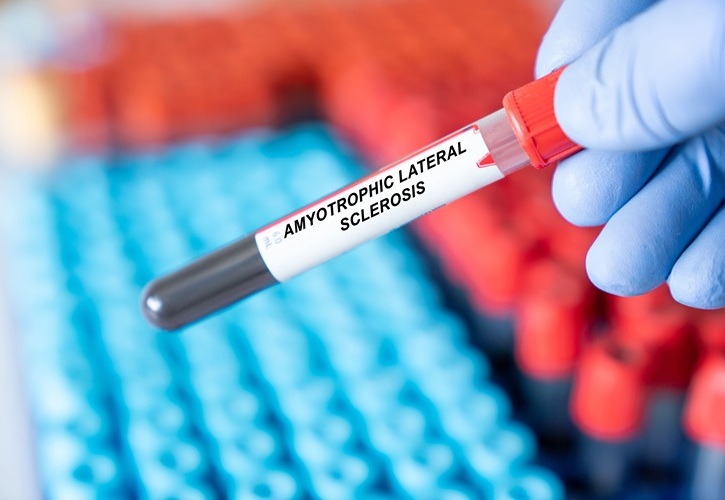
The researchers analyzed blood samples from 632 people with ALS and 160 healthy individuals using Nucleic Acid Linked Immuno-Sandwich Assay (NULISA), a highly sensitive technology capable of measuring extremely small amounts of proteins in blood. The method can detect proteins released when nerve cells are damaged, including markers such as NfL that are present in blood at much lower concentrations than many other common proteins.
The findings were published in Nature Communications on October 19, 2026. The study states that additional testing is needed to determine whether the protein panel can reliably distinguish ALS from other neurological and neuromuscular conditions with similar symptoms. The researchers also noted that earlier recognition could help patients reach specialized ALS care and treatment sooner, while providing more time to explore treatment options, clinical trials, and care planning.
“ALS is a complex disease, and relying on a single biomarker doesn't capture the full picture. By combining proteins associated with different aspects of the disease, including nerve-cell injury and inflammation, we were able to identify ALS with much greater accuracy,” said Eleanor Thomas, M.D., Ph.D., assistant professor of neurology at Emory University School of Medicine and co-principal investigator of the study.
“For patients and families, the time spent searching for an ALS diagnosis can be incredibly difficult. A blood test that helps physicians recognize ALS earlier could reduce unnecessary testing and get patients to specialized care and treatment much sooner,” said Jonathan Glass, M.D., director of the Emory ALS Center and co-principal investigator of the study.
Related Links
Emory University School of Medicine







.jpg)