


Noninvasive Tests Offer Alternatives to Biopsy for Assessing Advanced Liver Scarring
Posted on 02 Nov 2026
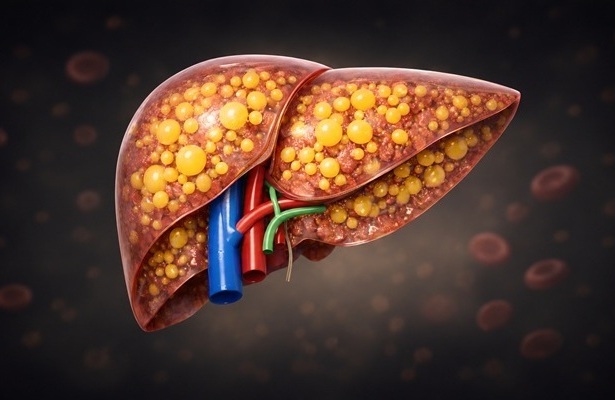
Metabolic dysfunction-associated steatotic liver disease (MASLD) affects up to one in three adults worldwide and as many as seven in 10 people with obesity or type 2 diabetes. Its more severe form, metabolic dysfunction-associated steatohepatitis (MASH), can involve active liver inflammation and advanced scarring. Because diagnosis and disease monitoring still often rely on invasive liver biopsy, there is growing interest in noninvasive alternatives.
Newcastle University reported that the LITMUS program evaluated noninvasive diagnostic tools for liver disease through two major international studies. The main LITMUS Study, published in The Lancet on October 31, 2026, assessed blood-based tests and ultrasound measurements of liver stiffness in more than 1,500 patients. A companion LITMUS Imaging Study, published in Nature Medicine, evaluated advanced MRI and elastography techniques in more than 350 patients.
The studies evaluated dozens of blood-, imaging-, and elastography-based biomarkers, including both advanced technologies and routine diagnostic tests already used in clinical practice. Their performance was compared with liver biopsy interpreted by expert pathologists to assess diagnostic accuracy across MASLD, MASH, advanced liver fibrosis, cirrhosis, and “at-risk MASH,” the patient group targeted in most clinical trials.
For advanced liver fibrosis and cirrhosis, the SOMAScan proteomic panel, magnetic resonance elastography (MRE), and FibroScan-based elastography tools, including the Agile 3+ score, showed the highest diagnostic accuracy. The Enhanced Liver Fibrosis (ELF) and ADAPT blood tests also exceeded predefined performance thresholds for detecting cirrhosis. For identifying at-risk MASH, however, only the SOMAScan panel met the predefined accuracy threshold.
The findings also showed that a simple gamma-glutamyl transferase (gamma-GT) blood test outperformed the widely used Fibrosis-4 (FIB-4) score as a first-line assessment tool. Based on these results, the source outlined a potential diagnostic pathway, pending further validation, in which gamma-GT would be used first, followed by ELF or FibroScan in patients requiring additional assessment, with advanced imaging reserved for specialist care.
The LITMUS Imaging Study further showed that elastography techniques performed well for detecting advanced fibrosis and cirrhosis, with MRE outperforming FibroScan-based liver stiffness measurements.
“Together, these two studies give us the most complete picture yet of which diagnostic tests work for liver disease, and how to combine them into a pathway health systems can easily implement. For advanced liver scarring and cirrhosis, we now have tools good enough to use with real confidence. Detecting active liver inflammation remains more challenging, but promising noninvasive tests are becoming available,” said Professor Quentin Anstee, Ruth & Lionel Jacobson Chair in Personalized Medicine at Newcastle University, U.K., and honorary consultant hepatologist at Newcastle Hospitals NHS Foundation Trust.
Related Links
Newcastle University