


Daily Blood Testing May Help Guide Earlier Antibiotic Stopping in Sepsis
By LabMedica International staff writers
Posted on 23 Oct 2026
Posted on 23 Oct 2026
Sepsis is a life-threatening condition caused by the body’s overwhelming response to infection and accounts for thousands of deaths each year. In intensive care, concern about stopping treatment too early often leads to prolonged antibiotic courses. However, unnecessary use can fuel antimicrobial resistance, increase side effects, and raise health care costs. To guide treatment duration more precisely, new findings suggest that daily blood biomarker testing may help identify when antibiotics can be stopped sooner.

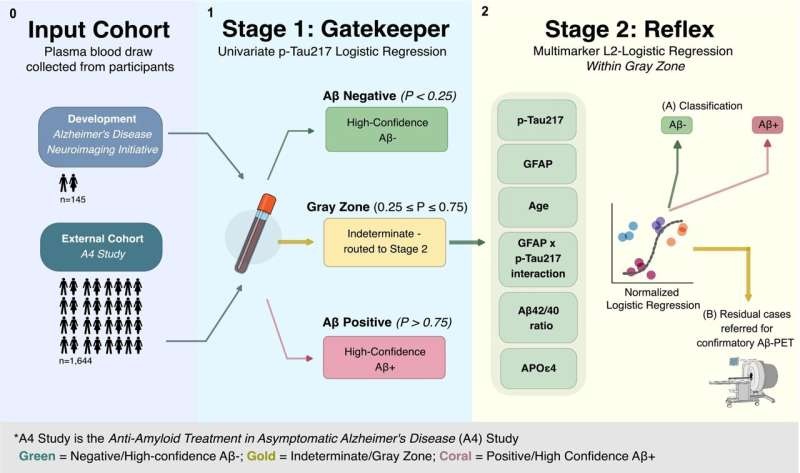
Image: A simple daily blood test could help critically ill sepsis patients stop antibiotics sooner, reducing overuse and potentially helping combat antibiotic resistance (Image Credit: Adobe Stock)
Researchers at the University of Manchester and Northern Care Alliance NHS Foundation Trust led the ADAPT-Sepsis trial to evaluate whether daily blood tests could guide antibiotic-stopping decisions in critically ill patients with sepsis. The approach monitored blood biomarkers to generate automated treatment advice for clinicians. Specifically, the study compared recommendations based on procalcitonin (PCT) with those based on C-reactive protein (CRP), another commonly used marker.
The trial involved 2,760 patients treated in 41 intensive care units across the U.K. More than 17,000 blood samples and pieces of treatment advice were analyzed. The evaluation examined how doctors responded to automated recommendations generated from the daily biomarker tests.
PCT-based guidance generated “stop antibiotics” recommendations nearly two days earlier than CRP-based guidance. Doctors were more likely to follow advice generated from CRP testing, which more closely reflected existing prescribing habits and tended to recommend continuing standard care. The most common reason for not following stop recommendations was existing microbiology guidance recommending fixed treatment durations, followed by concerns about ongoing severe illness, persistent fever, and raised inflammation markers.
The findings were published in Anaesthesia on October 20, 2026. The research team stated that the new data add to evidence from the ADAPT-Sepsis research program and provide a final process evaluation on whether the approach could be adopted across the NHS.
“For decades, intensive care doctors have faced an impossible balancing act. Nobody wants to stop antibiotics too early and risk a patient's life, but continuing them unnecessarily also carries real dangers for individuals and society. What our study shows is that simple biomarker tests can provide an additional layer of reassurance when making these difficult decisions. The challenge now is helping health care teams feel confident acting on that information so patients receive exactly the treatment they need, for exactly as long as they need it,” said Paul Dark, vice dean for health and care partnerships at The University of Manchester and professor of critical care medicine at the Northern Care Alliance NHS Foundation Trust.
“Blood-test-guided antibiotic stewardship could become an important tool in the fight against antimicrobial resistance if implemented alongside existing clinical guidance and prescribing frameworks. These findings provide new insight into how hospitals could safely reduce antibiotic exposure in some of the sickest patients in the NHS while helping preserve the effectiveness of lifesaving drugs for future generations,” said Prof. Dark.
Related Links
University of Manchester
Northern Care Alliance NHS Foundation Trust
Related Links
University of Manchester
Northern Care Alliance NHS Foundation Trust




Platinum Member

Automated Coagulation Analyzer
Hemolumi H6


Immunofluorescence Analyzer
IFA System
.jpg)
Gold Member

Clinical Chemistry Assay
Sorbitol Dehydrogenase (SDH)