Hemoglobin Levels May Help Signal Long-Term Dementia Risk
Posted on 12 Oct 2026
Dementia is a growing health challenge in aging societies, with limited treatment options and no cure. Identifying long-term risk remains difficult, particularly when specialist scans or emerging biomarkers are not available in routine care. Hemoglobin is already measured in standard blood tests and is often present in medical records. A new observational study shows that unusually low or unusually high hemoglobin levels may be associated with future dementia risk.
Dong-A University College of Medicine (Busan, South Korea) researchers evaluated whether hemoglobin, the oxygen-carrying protein in red blood cells, could serve as a marker of later dementia risk. Low hemoglobin is commonly associated with anemia, while unusually high hemoglobin may reflect smoking, dehydration, lung or heart disease, or other medical conditions. The study did not test hemoglobin as a cause of dementia, but examined whether abnormal levels were associated with diagnoses recorded years later.
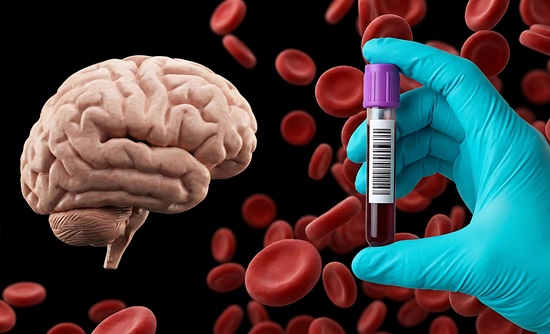
The peer-reviewed observational study followed 316,542 Korean adults aged 40 years and older who underwent national health screening in 2004–2005. Participants were divided into five groups, from the 20% with the lowest hemoglobin levels to the 20% with the highest levels. National health insurance records were then used to track new dementia diagnoses through the end of 2019, providing up to 15 years of follow-up.
Compared with the group that had the lowest dementia rate, people in the lowest 20% of hemoglobin levels had a 16% higher risk of all-cause dementia. Those in the highest 20% had a 7% higher risk. For Alzheimer’s disease, increased risk was mainly observed in the lowest hemoglobin group, which had a 14% higher risk, while vascular dementia risk was higher in both the lowest and highest hemoglobin groups, at 19% and 18%, respectively.
The findings were presented at the 39th European College of Neuropsychopharmacology Congress in Munich and were recently published in the Journal of Alzheimer’s Disease. The association was clearer and more consistent in women than in men. The researchers emphasized that the study can identify associations but cannot prove that abnormal hemoglobin directly causes dementia.
“A blood test most people already get at a routine check-up may say something about their brain health many years later. In this large Korean cohort, people with unusually low haemoglobin — and, to a smaller degree, those with unusually high hemoglobin — were more likely to develop dementia. This does not prove that hemoglobin causes dementia, but it supports the idea that general physical health, including the body’s ability to carry oxygen, matters for long-term brain health,” said Dr Hyun Soo Kim, assistant professor at Dong-A University College of Medicine.
“We want to emphasize that the findings should not be interpreted as advice to take iron supplements, to raise hemoglobin levels, or to lower high hemoglobin levels in order to prevent dementia. An abnormal hemoglobin result should instead be discussed with a doctor, because it may point to underlying health issues that deserve attention,” added Dr Kim.
Related Links
European College of Neuropsychopharmacology
Dong-A University