Global Survey Finds Pediatric Troponin Testing Lacks Consistent Reference Intervals
Posted on 12 Oct 2026
Cardiac troponin is released into the blood when heart muscle is damaged and is widely used as a rapid marker of cardiac injury in adults. In children, interpreting troponin results remains difficult because normal measurements are often unavailable and heart attacks are rare. Pediatric testing is instead applied to diverse conditions, including heart infections, Kawasaki disease and heart damage caused by cancer treatment. A new global survey shows how laboratories are addressing this diagnostic gap.
The International Federation of Clinical Chemistry and Laboratory Medicine (IFCC) Committee on Emerging Technologies in Pediatric Laboratory Medicine conducted the global survey. The study examined how pediatric cardiac troponin testing is used and interpreted internationally. Laboratory specialists and clinicians from 48 countries participated in the survey.
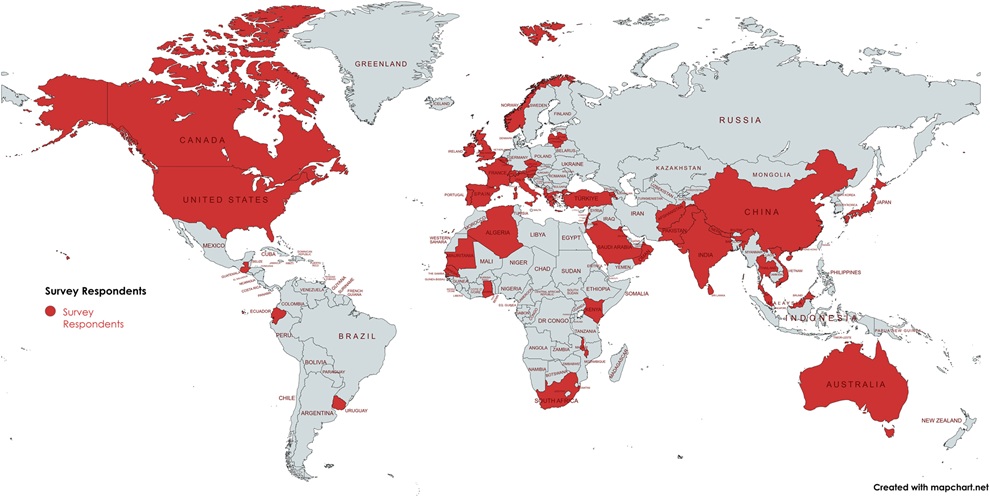
Cardiac troponin testing measures a protein released into the bloodstream after heart muscle injury. For clinical interpretation, laboratories use reference intervals, which define normal ranges needed to identify abnormal results. The survey found that most laboratories testing children for cardiac troponin rely on adult reference intervals rather than child-specific ranges.
Among eligible respondents, 58.5% reported offering cardiac troponin testing in-house. Of those laboratories, 65.5% lacked pediatric reference intervals and often used manufacturer-provided adult ranges. Some clinics had developed child-specific benchmarks, but the survey found inconsistent cutoffs and no agreement on how the correct pediatric reference interval should be derived.
Most clinicians and laboratory specialists identified the absence of consistent, validated pediatric guidance as a major barrier to reliable cardiac care for children. The researchers stated that troponin testing may require benchmarks tailored to specific pediatric conditions rather than one broad normal range. The study was published in Clinical Chemistry and Laboratory Medicine (CCLM) under the title “Mapping pediatric cardiac troponin testing worldwide: results from the IFCC survey on emerging applications, standardization needs and access.”
“The IFCC Pediatric Committee for Emerging Technologies and I personally were driven by the belief that children deserve diagnostic care built around their biology, not borrowed from adult medicine. To advance precision child health, we now need coordinated global action to develop pediatric reference intervals, strengthen clinical guidance and ensure every child receives results that are accurate, meaningful and equitable,” said Dr. Lianna G. Kyriakopoulou, director of genome diagnostics at The Hospital for Sick Children and the University of Toronto, Canada.
Related Links
IFCC