Breast Milk DNA Test Investigated for Early Breast Cancer Detection
Posted on 07 Oct 2026
Breast cancer that develops during pregnancy or shortly after childbirth is often diagnosed late, after the disease has already spread. Pregnancy-related breast cancer occurs in approximately one in 3,000 pregnancies in the general population, but among women at very high risk, such as BRCA gene carriers, rates have been reported as high as one in 50 pregnancies.
In the U.K., breast cancer is the leading cause of cancer-related death among women ages 35–64 and is rising faster in women under 50 than in older age groups. Between 35% and 50% of breast cancer cases in women under 55 occur within 10 years of having a baby, while 5% of cases in women under 45 occur within a year of giving birth, underscoring the need for improved screening, particularly in younger women.
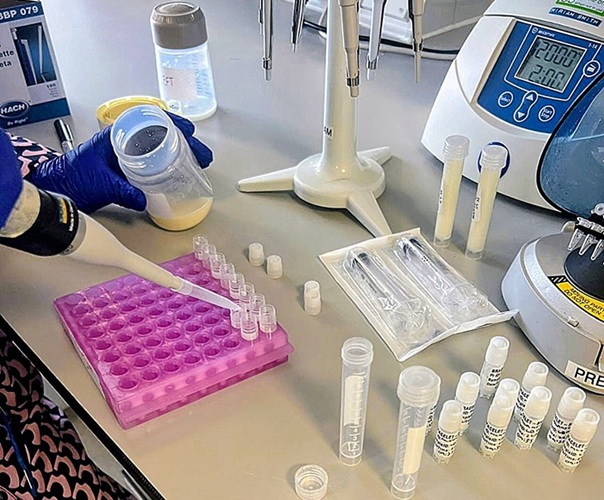
Against this backdrop, researchers are investigating whether breast milk could provide an earlier signal of breast cancer than blood testing or imaging. Researchers at the University of Manchester are leading BRACELET-BM, a study evaluating breast milk as a potential noninvasive biofluid for breast cancer detection. The approach focuses on identifying cancer-related DNA fragments shed by cells into breast milk, with researchers comparing breast milk and blood samples to determine how each can be collected, processed, stored, and analyzed for biomarker testing.
The study has begun recruiting participants at the Nightingale Centre in Wythenshawe, part of Manchester University NHS Foundation Trust. Initial enrollment will include 40 lactating women, comprising 25 at general population risk and 15 at higher risk because of a family history of breast cancer. Samples will also be collected at Saint Mary’s Hospital, part of the same trust, to support development of the Manchester Breast Biofluid Biobank, which is expected to contain more than 200 samples for future research.
Fluid samples will be analyzed by the Cancer Research UK (CRUK) National Biomarker Centre at the University of Manchester. The work builds on an international study published in September 2023 showing that circulating tumor DNA could be detected in breast milk, although optimal methods for sample collection, processing, and storage have not yet been established. Participants will also complete questionnaires and interviews to assess whether the approach would be acceptable and practical if developed for broader use.
“Scientists in our laboratories have identified tiny fragments of genetic material shed by cells in some samples of breast milk that have been donated for this study. The DNA structure is unique in breast milk, and we now understand what this DNA looks like, which is a major step forward,” said Dr. Florent Mouliere, who leads a research team at the CRUK National Biomarker Centre in Manchester.
“We now need to focus on the main aim of this study, which is to explore how best to collect the samples, work out if they can be safely frozen in a home freezer (which would be a convenient method for a nursing mom), what time of day is best for a sample to be collected, and if other factors such as an infection in the mother or baby would affect the sample results,” added Dr. Mouliere.
Related Links
CRUK National Biomarker Centre
University of Manchester